The Regent’s Canal is the main route for this week’s gallery run. It offers a passage across the north of London hugging the upper curve of Regent’s Park before continuing east and then heading down to the Thames near Canary Wharf. A canal is more than just thoroughfare though, it may in some respects be considered a friend. Apart from providing great company with its spectacle of barges and locks, its own objectives of seeking out warehouses, docks and old gasworks, seem to match up to those of any intrepid gallery visitor whose primary targets lie in those very buildings that the canal was originally built to serve. Occasionally one sees a bridge overhead, though with little evidence of the main road running over its hump, and rather like a departure through a tube station, the steps up to the bridge offer access to a terrestrial world that has lain out of sight during the journey itself.
Whilst leaving the canal is easy enough, trying to arrive at it through a pleasant route can cause some difficulties. From South London, access is best gained through the green corridor of St Jame’s Park, Green Park and Hyde Park. But for perfectionists, there is no avoiding the dusty streets off Edgware Road that puncture any illusion of a green and blue thoroughfare. There is some small compromise though as an extension of the canal offers itself to those coming up from Hyde Park. Here they can enter a region called the Paddington Basin. To the first time user, this assembly of watery and grassy sections comes as a surprise as the pieces start seeking connections to each other, tessellating themselves to form a new psychic map of the city. On this map sit the galleries themselves. Lisson Gallery is reached from one of the earlier bridges, whilst further east, lies the Gagosian gallery, before Wharf Road then provides access to a further hub. Here a tributary of the canal has extended down the backs of some warehouses to Victoria Miro Gallery and Parasol space. The road runs down the front, initially enforcing a separation from the day’s travelling companion but quickly providing a reunion. This comes about because the two galleries themselves have teamed up to create a landscaped region at their rear which incorporates the canal tributary itself into a surprising sculpture patio with watery backdrop.
To reach Stuart Shave Modern Art, the canal must be left behind completely as one crosses the busy road running down from Islington. Though only five minutes away, the waterway seems to be no more than a distant memory since cars and trucks now dominate the urban space. This introduces a separate class of galleries, those that are surrounded by roads, but lie only a stone’s throw away from the core loop comprising the three parks and the canal. To this class, in fact, can be added all the Mayfair galleries lying just across Piccadilly from Green Park and the green and blue thread of which it is part. Stuart Shave’s gallery is set to the side of an attractive square with attendant church that plays host to the London Philharmonic Orchestra most lunchtimes. Enjoying not just the kudos of this location and companion building, the gallery has also gained a new-found reputation through its own merit, being the current holder of the Best Exhibitor prize from this year’s Frieze show.
Inside, Phillip Lai has displayed works made from plastic and rubber objects. A blue washing up bowl is screwed vertically to the wall and at the bottom is some dried rice whose simple crescent shape looks like a smile drawn by the deft hand of a cartoonist animating it into a face, at least to those open to such a possibility. Then on another wall the artist has displayed a large green 8×4 wooden board. The only suggestion of its origins are some light bulbs that punctuate its surface with white plastic bulb holders screwed to the board, some sitting on the surface and others appearing to protrude from underneath. The time line of this assembly is unclear and it is also unclear if it is a found object from a fair ground or has been made deliberately. The few drips of green paint that run across the holders indicate that the bulbs were an early addition to the piece predating the paint but offer no further solution to this question. With these thoughts in mind, I rejoin the canal as it moves onwards to Limehouse, and share some last moments of revery as it silently approaches the Thames.
On display too, are images below from this year’s Goldsmiths MFA fine art degree show.
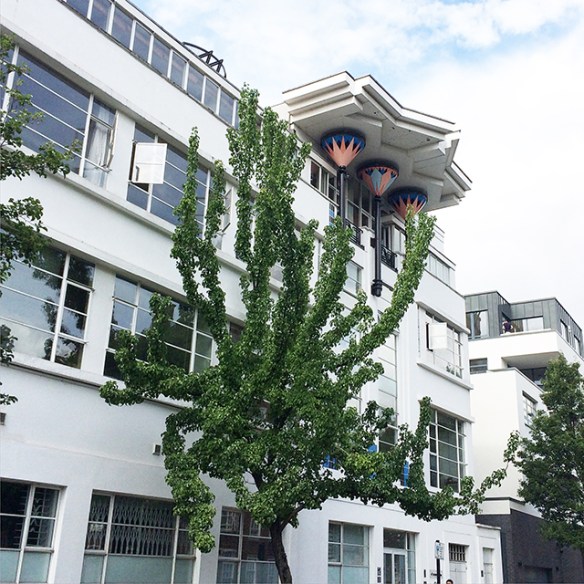
Spitfire Works on Penfold Street close to the Regents Canal. This Art Deco classic was home to a manufacturer of tyres for WW2 aircraft including the eponymous Spitfire. Palmer Tyre Company.
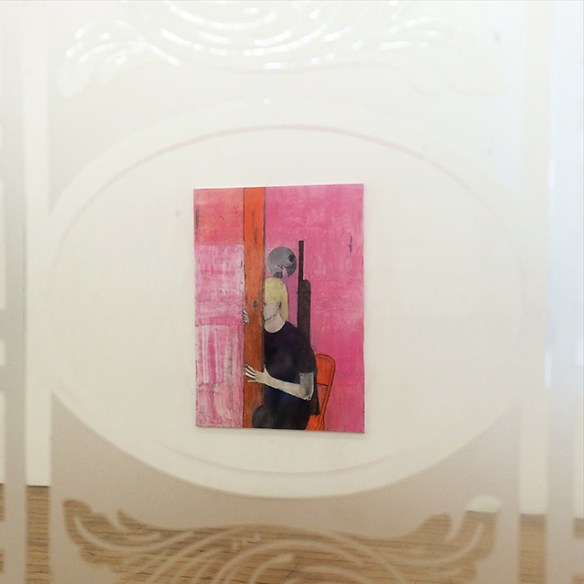
Gallery Runner entered into the spirit of this Stuart Cumberland piece at The Approach Gallery. Excellent show.
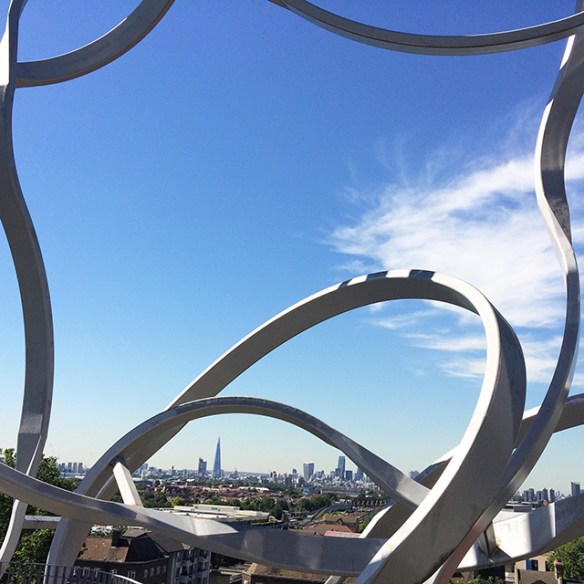
Looking out from Ben Pimlott Building of Goldsmiths College designed by Alsop and Partners. Will Alsop had previously produced a set of squiggle drawings inspired by the same location of New Cross.
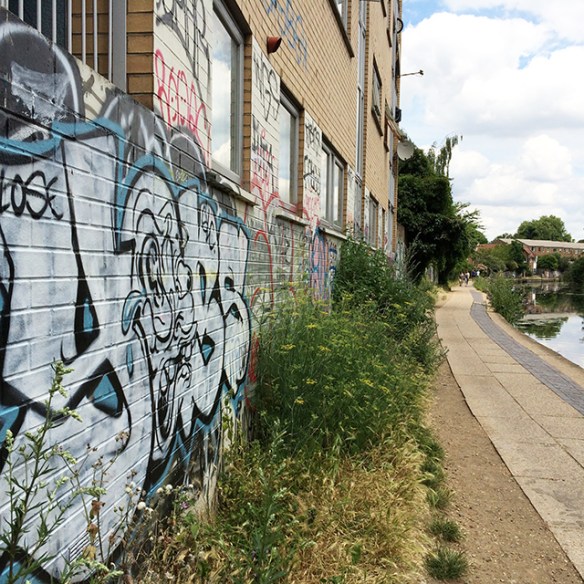
Used the Regents Canal to access all the galleries today, first Lisson Gallery, then Stuart Shave Modern Art and finally The Approach Gallery before exiting at Limehouse Basin and heading back to Peckham.
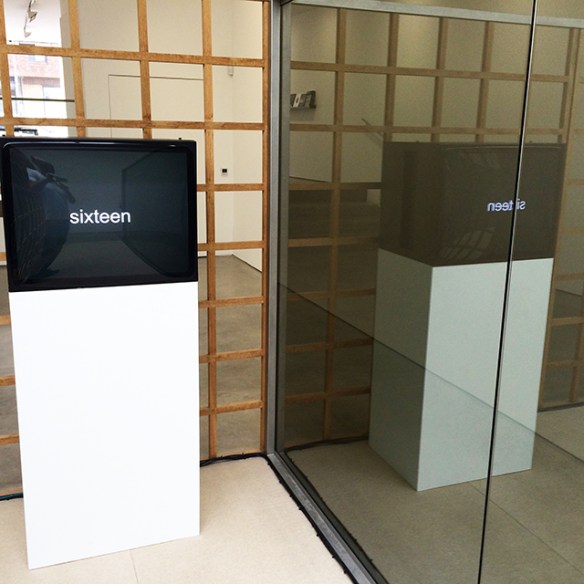
Dan Graham’s pavilion at Lisson Gallery with some classic video pieces including CCTV of a fox locked in the national gallery (London) at night.
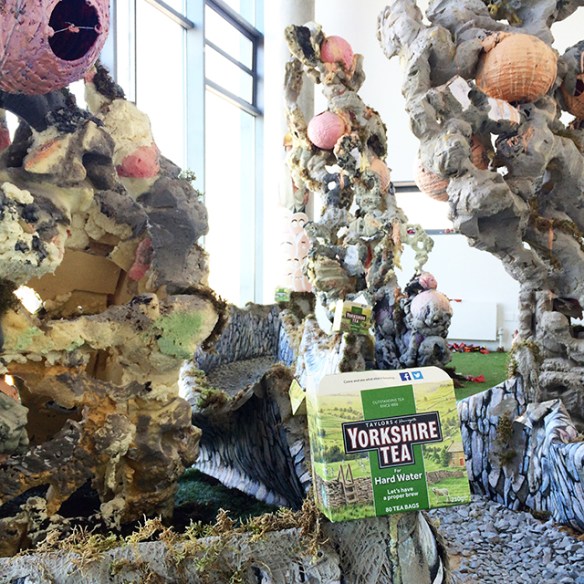
Great landscape piece by Roel van Putten at Goldsmiths MFA Fine Art.
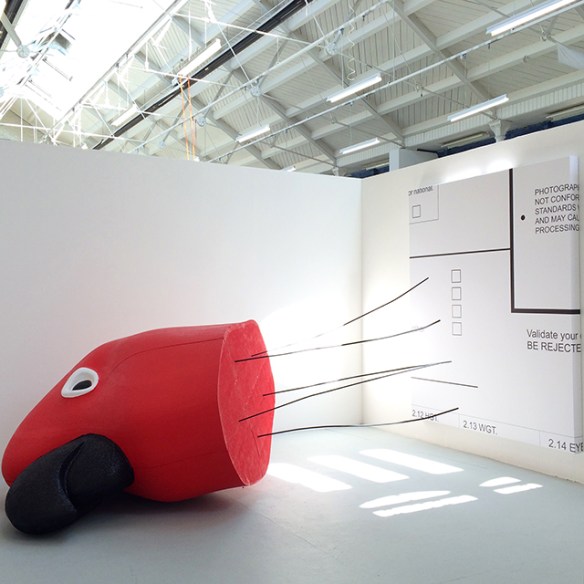
This piece at Goldsmiths MFA Fine Art by Gui Ponde really is very good. Some strange detached head juxtaposed with government identification papers as if that might make the taxonomic process any easier!
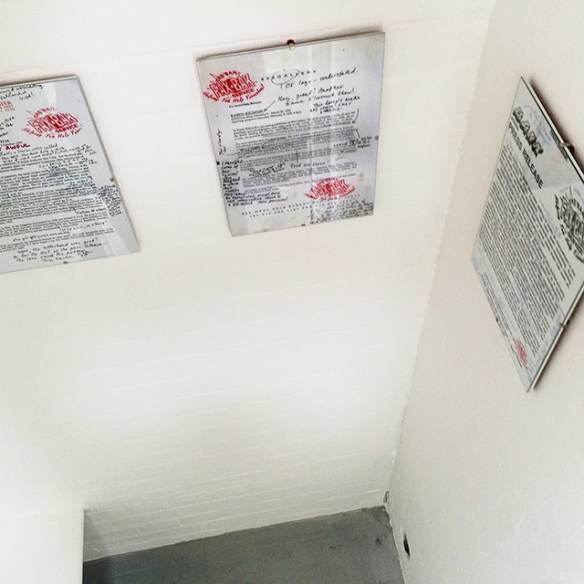
Gallery Runner spotted this mini gallery in the goldsmiths MA Fine Art degree show. As a past student I am familiar with the conversion of the swimming pool into art studios whilst the old poolside changing rooms are now used for storage. It appears one of these has become a shrine to BANK of MOT International. Artists of this collective included Simon Bedwell, John Russell and Milly Thompson. Here can be seen altered (improved) gallery press releases dating back to their seminal late 90’s period.
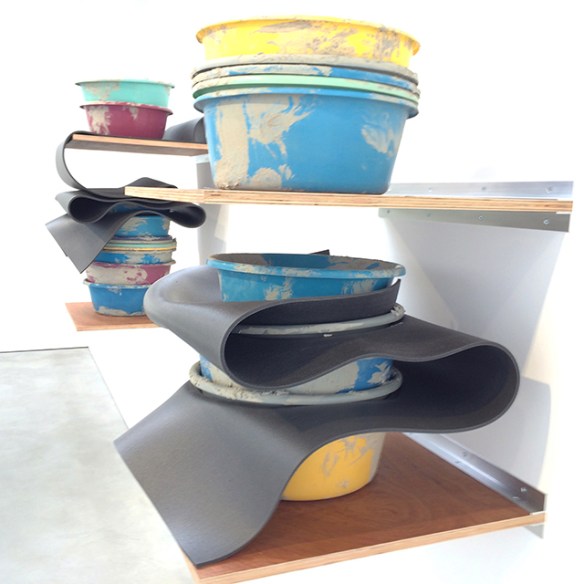
Phillip Lai at Stuart Shave Modern Art using his customary rubber materials and juxtaposed bright colours.
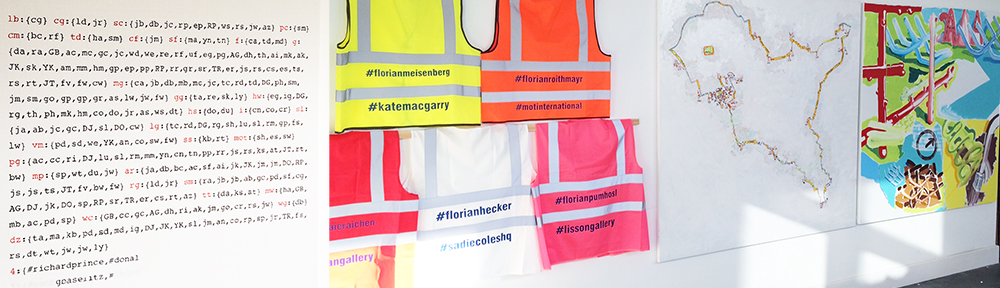
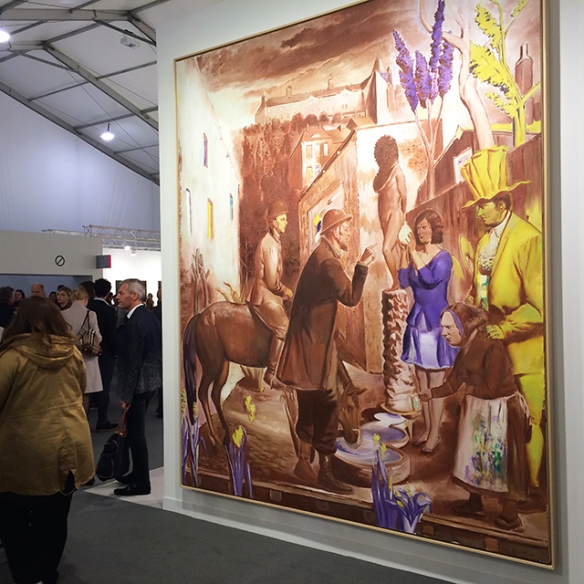
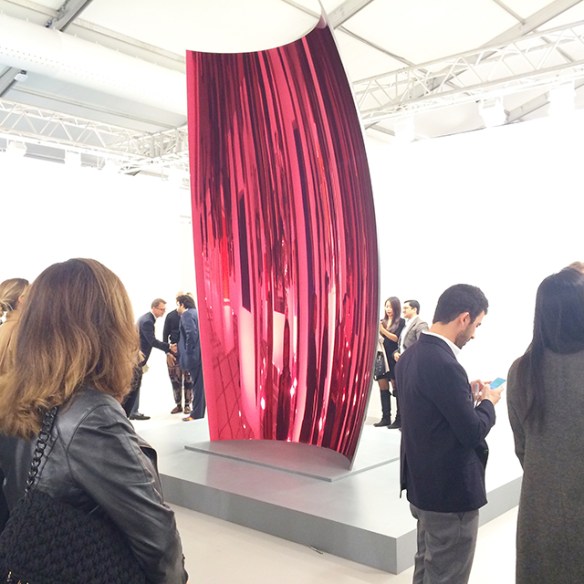
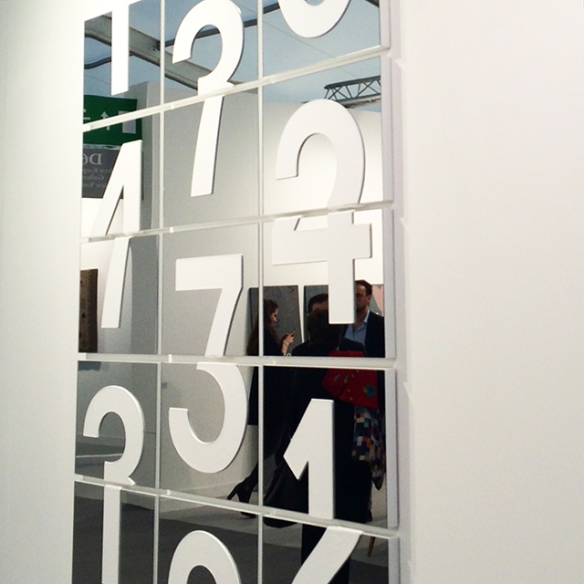
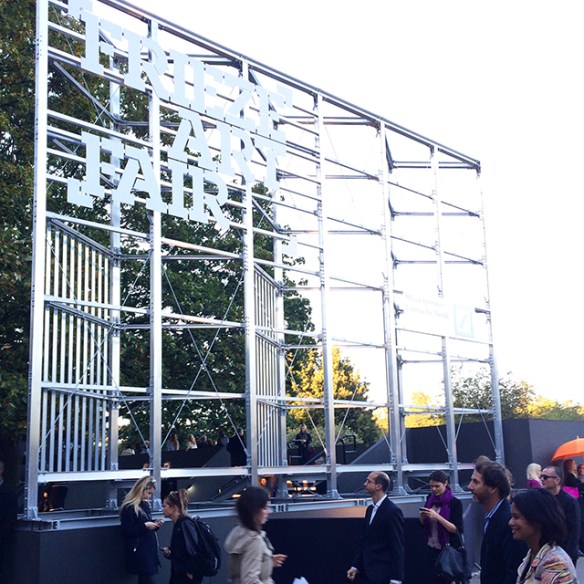
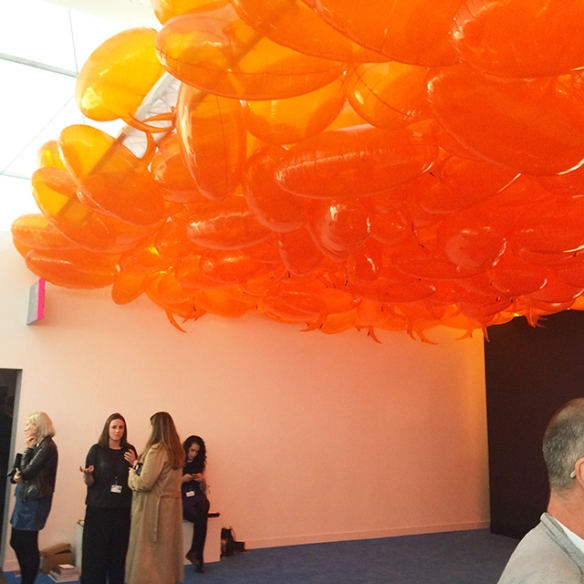
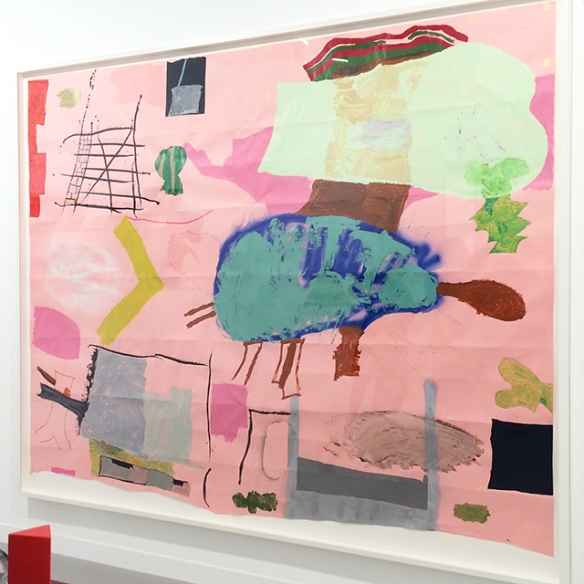
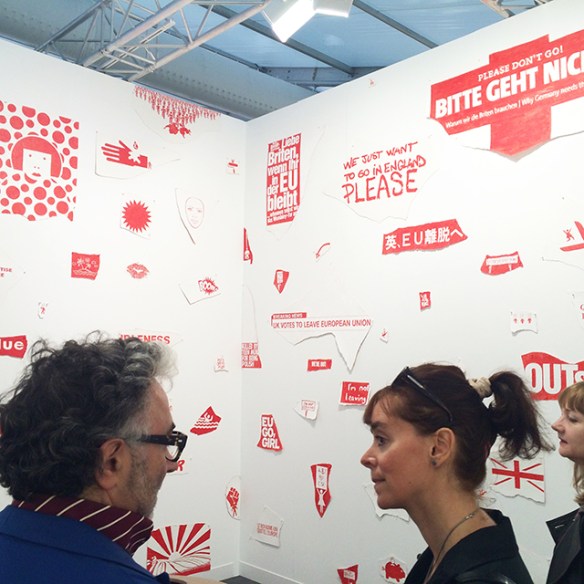
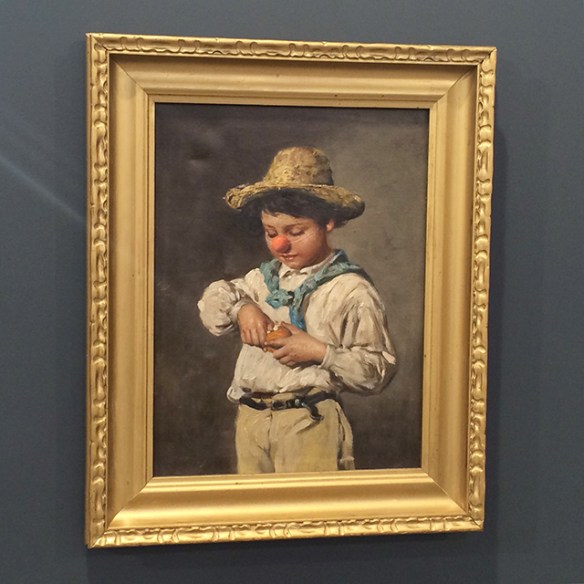
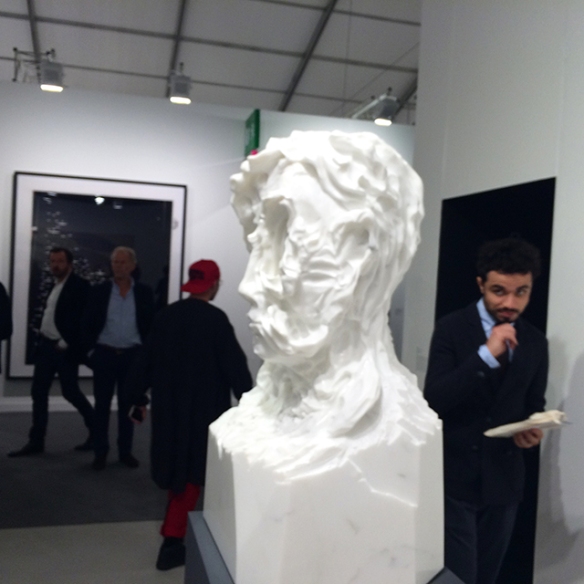
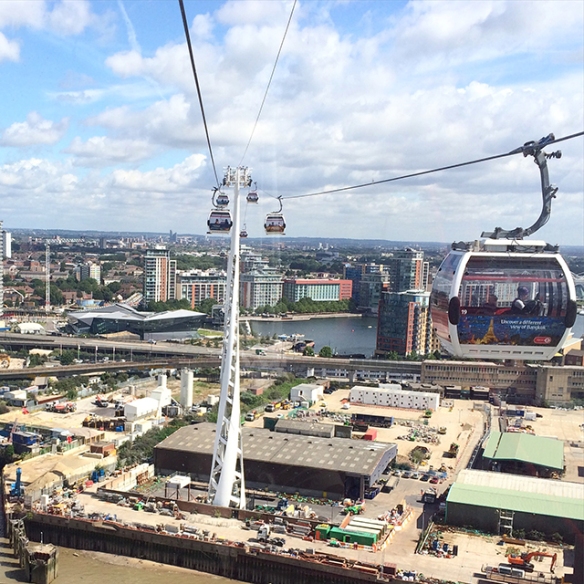
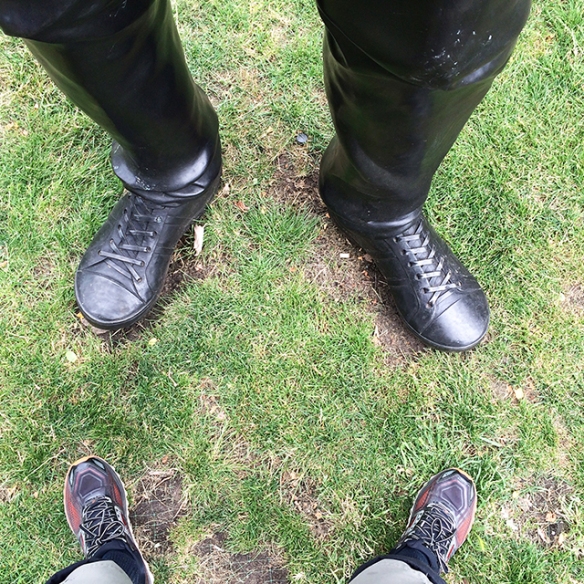
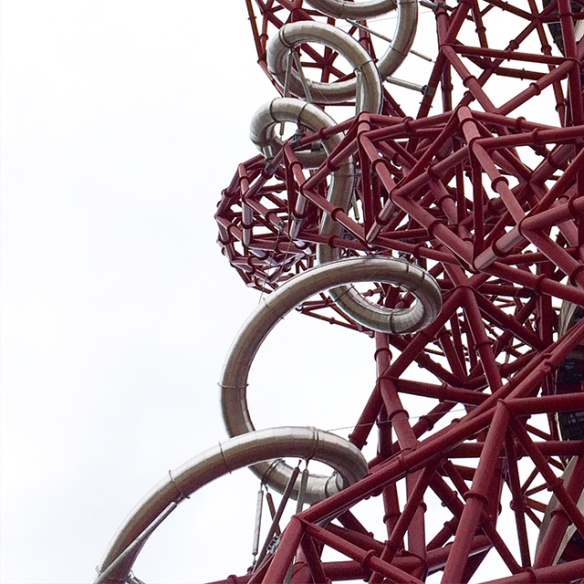
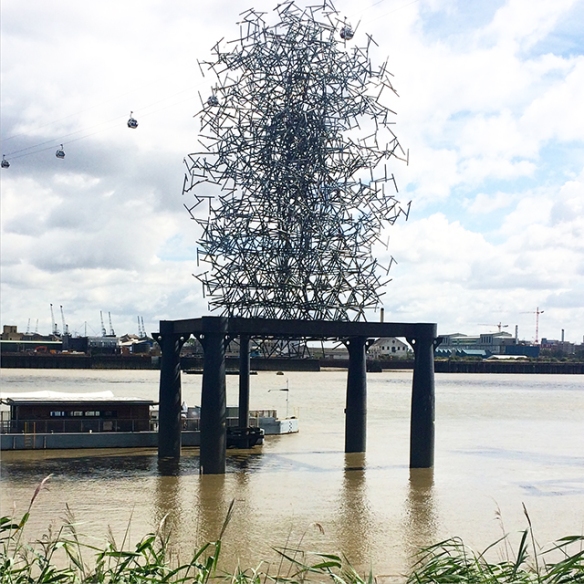
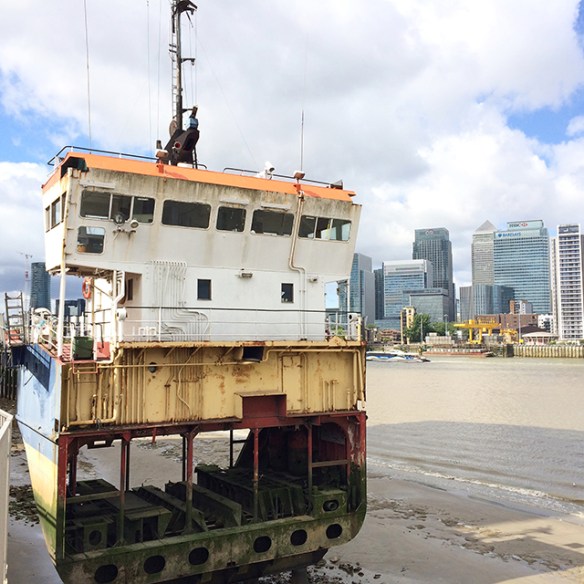
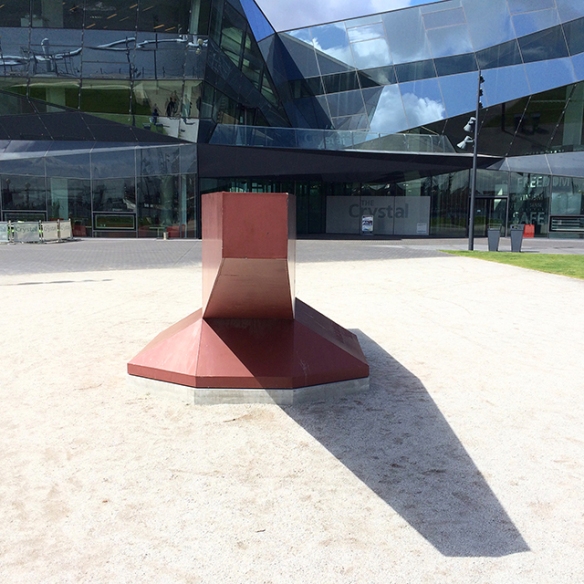
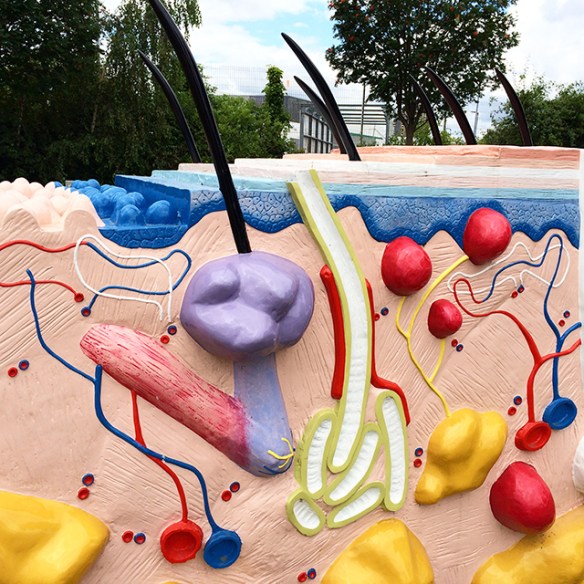
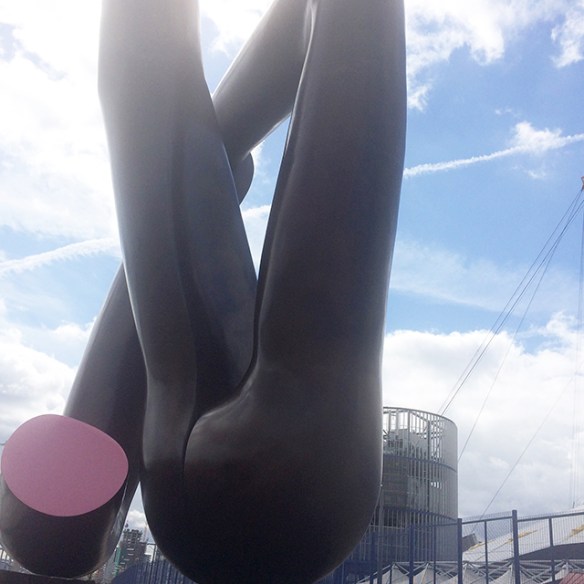
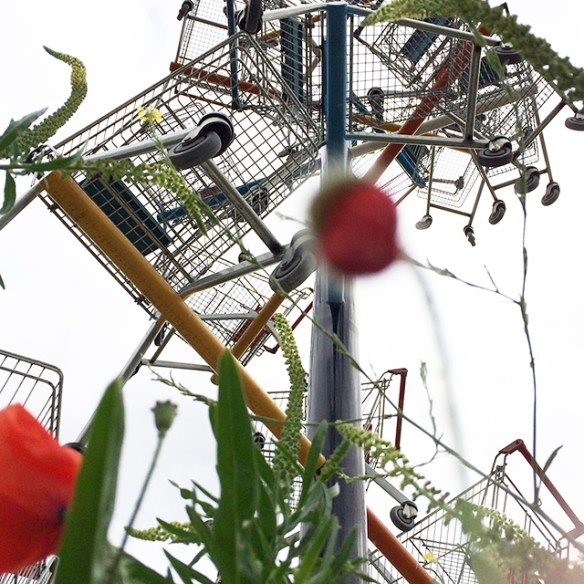
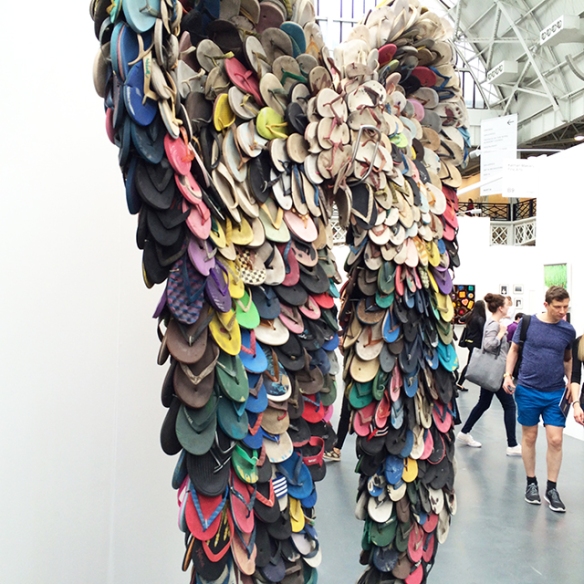 At Art16. Alfredo and Isabela Quilizan produced these flip-flop angel wings.
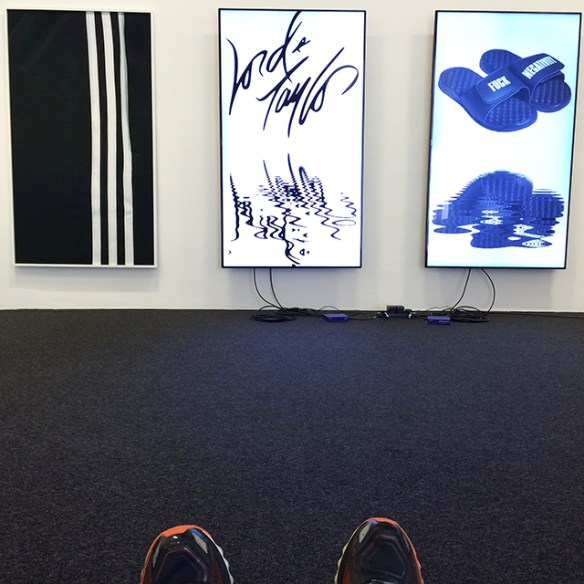 Cory Arcangel at Lisson Gallery. The digital displays are altered, the software hacked. The alphabet of corporate symbols is appropriated by the artist.
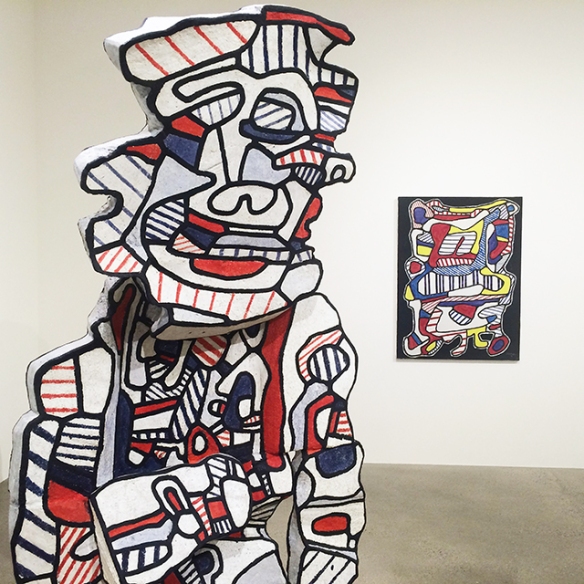 Jean Dubuffet at Timothy Taylor. These fab sculptures grew out of red and blue biro doodles, we are told. The artist had made them whilst on the phone.
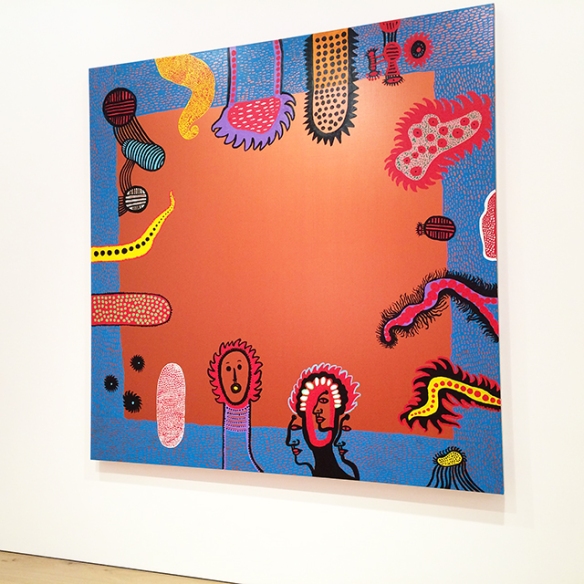 Yayoi Kusama at Victoria Miro.
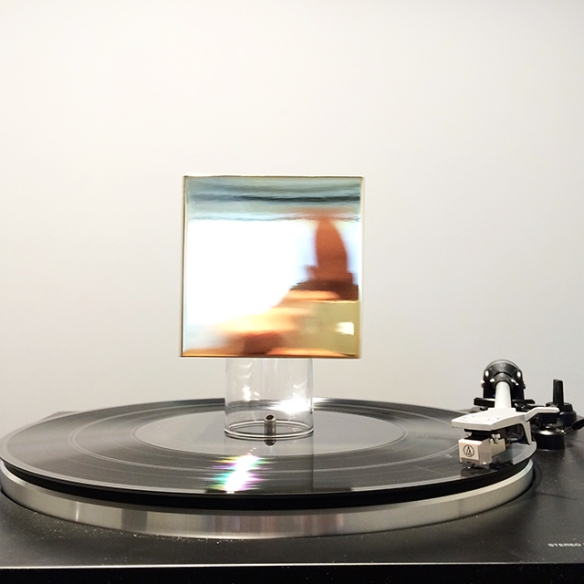 Massimo Bartolini at Frith Street Gallery. The artist’s sound piece is played on this record player crowned with a brass cube. This unusual addition pays homage to Golden Square, the location of the gallery.
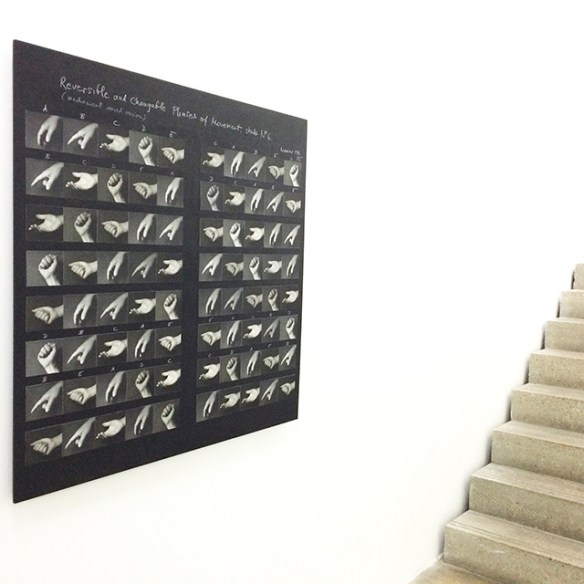 Dora Maurer at White Cube. The hands form an alphabet of gestures.
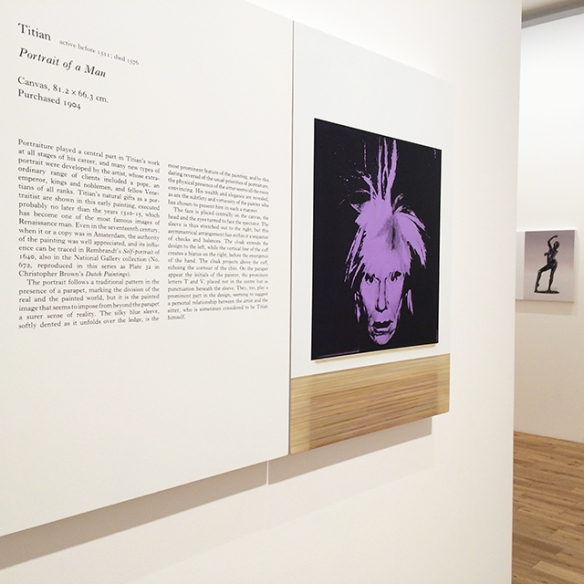 Stephane Graff at Almine Rech. A juxtaposition of text and image that is intended to jar one with the other.
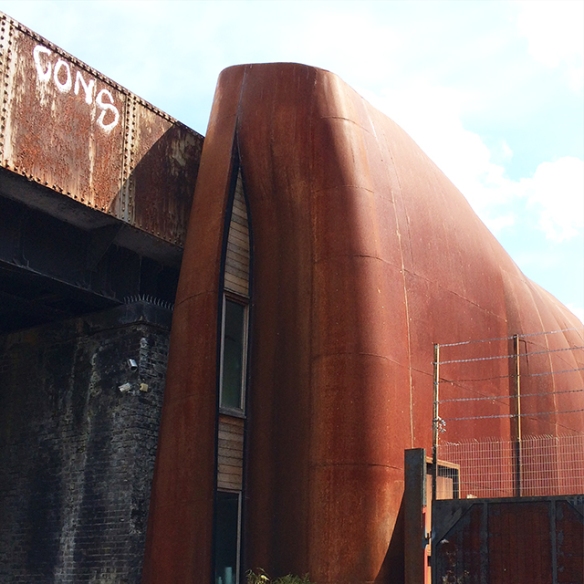 Galleryrunner saw this house connected to a railway arch near Walworth Road.
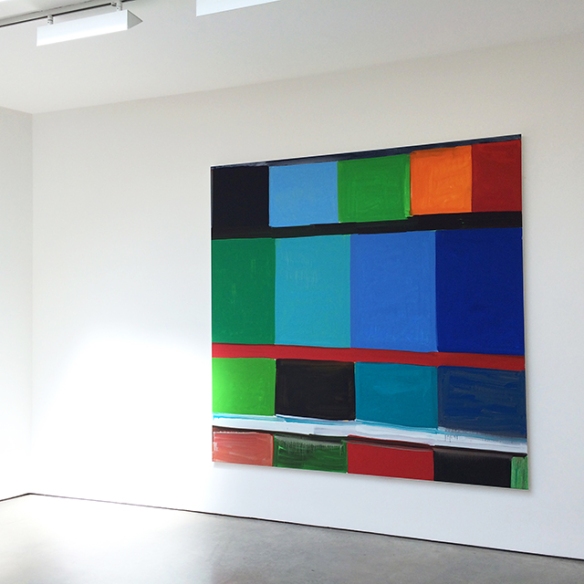 Stanley Whitney at Lisson Gallery. These pastel grids put beauty before formalism.
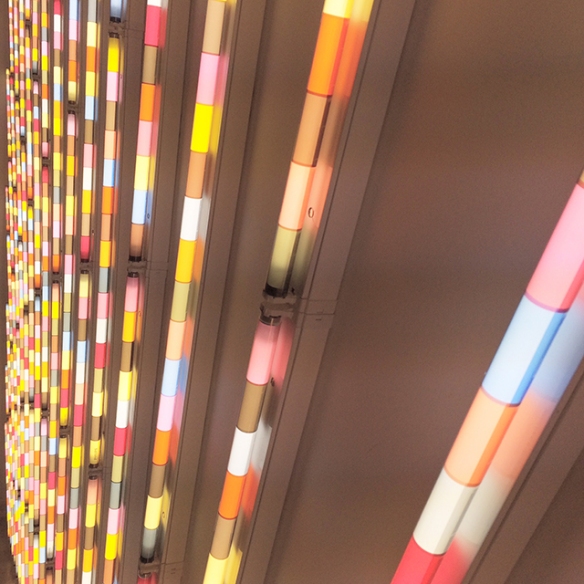 Ever wondered what colour a Martian sunrise is? Spencer Finch at Lisson Gallery has produced this simulacrum of it. Rosy pink!
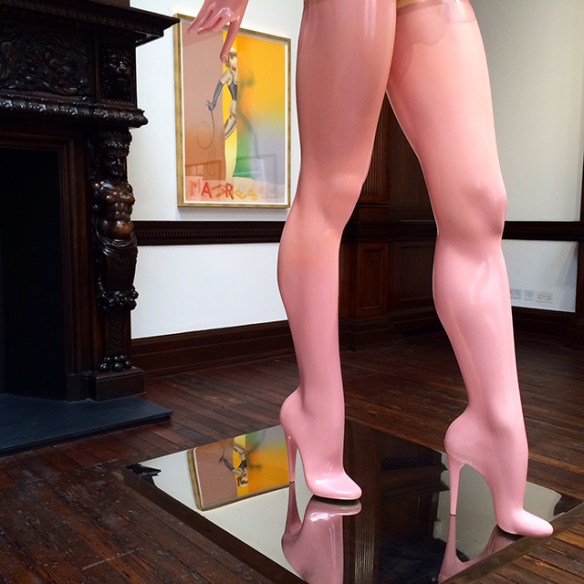 Allen Jones at Michael Werner exploring the dominatrix motif.
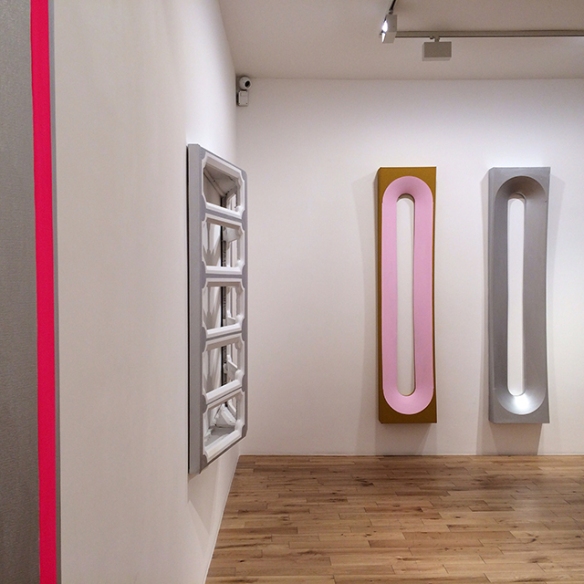 Blair Thurman at Almine Rech Gallery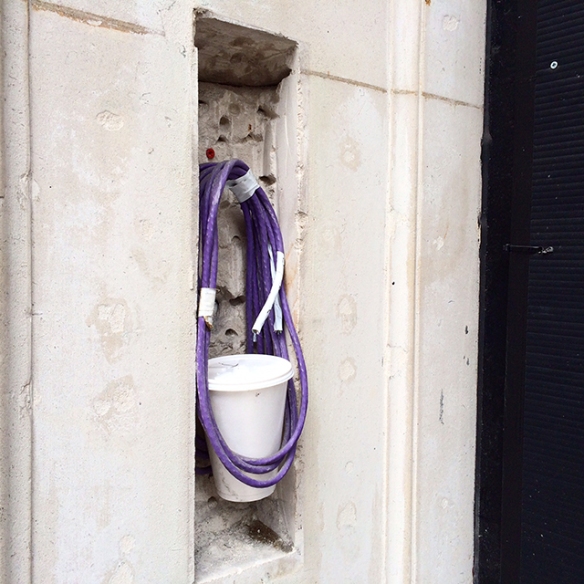
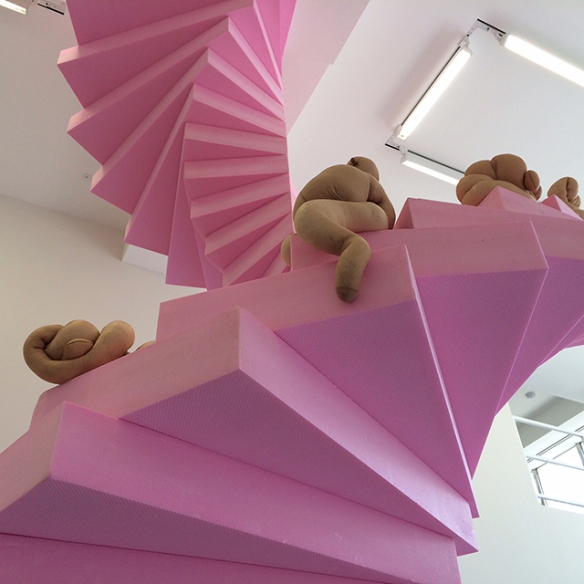 Sarah Lucas at Sadie Coles HQ with more stuffed tights and fab metaphors.
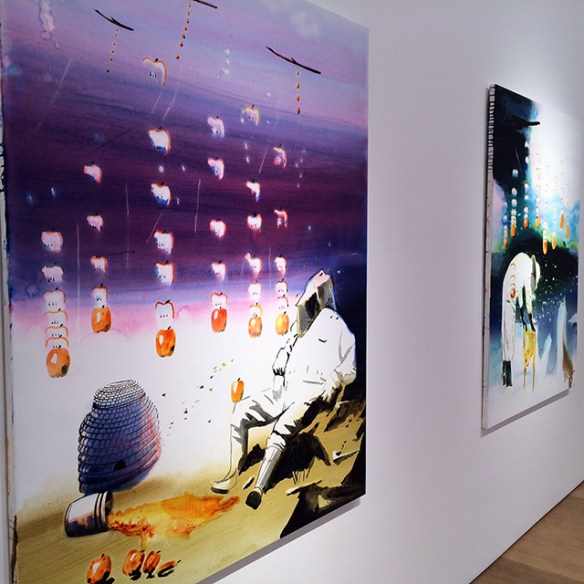 John Korner at Victoria Miro with falling apples, copious honey and vivid skies as motifs.
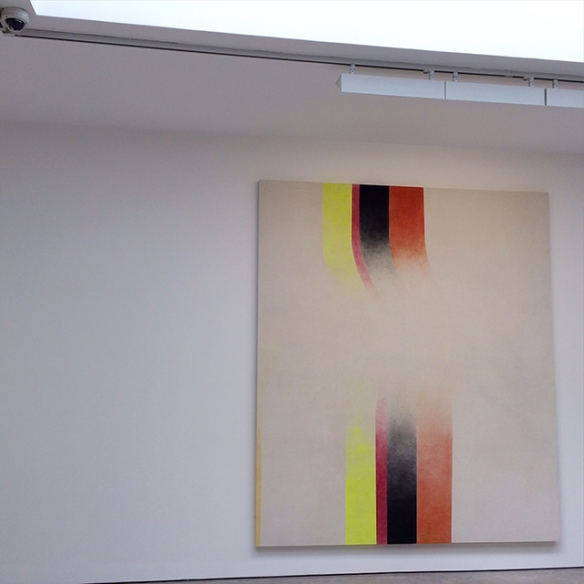 John Latham Spray Paintings at Lisson Gallery.
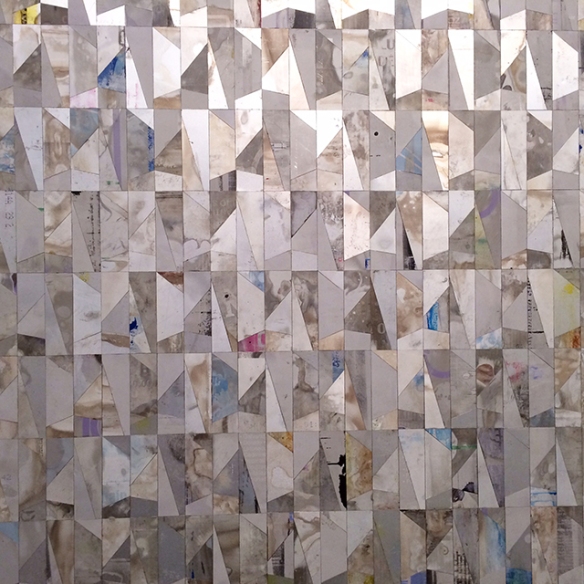 Gabriel de la Mora at Timothy Taylor using materials that have a past life in a grid format. The CMYK ink is still visible on these metal printing plate fragments.
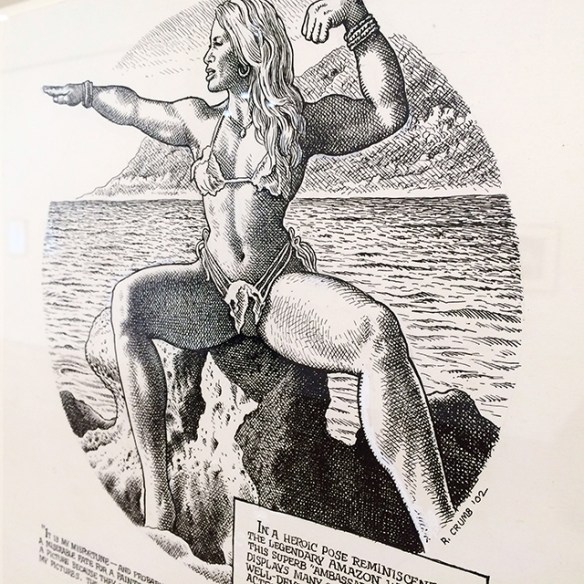 R. Crumb at David Zwirner with more heroic figures.
 A close up of Andreas Eriksson’s new work at Stephen Friedman. Still delicate, abstracted, Nordic landscape but now a new medium of just the linen alone, that he paints on.
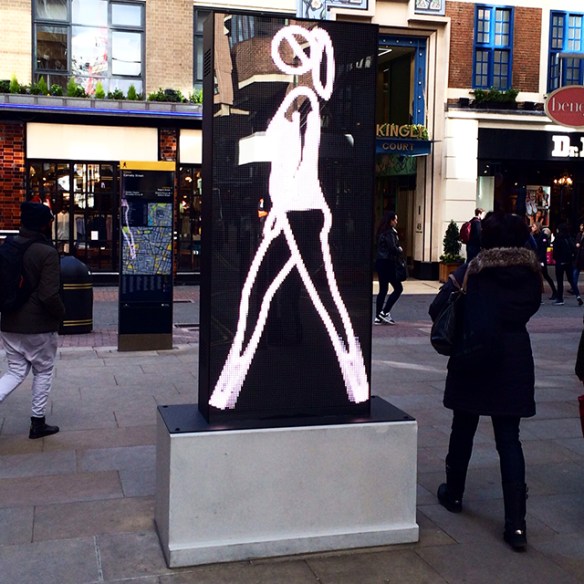 Saw this animated figure in Carnaby Street. A quick google confirms it is indeed by Julian Opie of Lisson Gallery.
 Early on the run looking for a place to cross the Westway.
 Jeff Koons at Almine Rech.
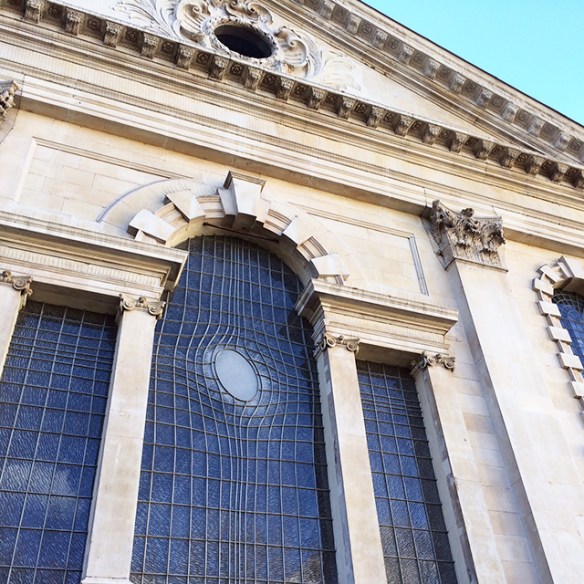 At St Martins in the Fields, Trafalgar Square. Distorted window round the back by Shirazeh Houshiary of Lisson Gallery.
 Chantal Joffe at Victoria Miro has a good show of portraits of the people in her life. Great stripes right across.
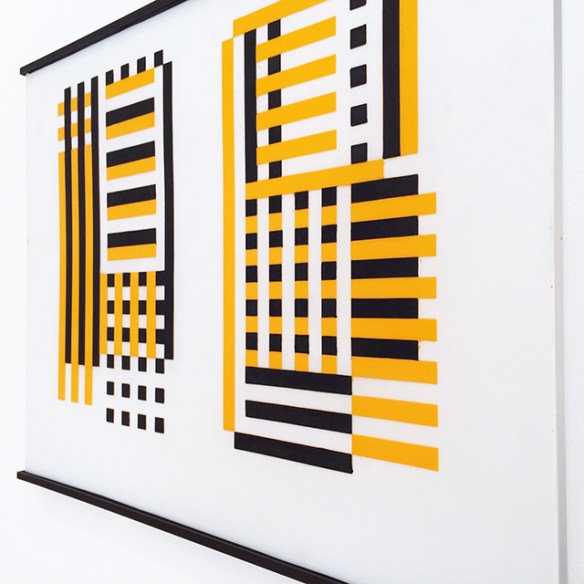 Josef Albers at Stephen Friedman in a revisit to Bauhaus.
 Setven Claydon show at Sadie Coles called The Gilded Bough. The partial gold gilding of the sculptures places them (intentionally) between artefact and commodity. Circuitry, mechanisation and totems all add to a good installation.
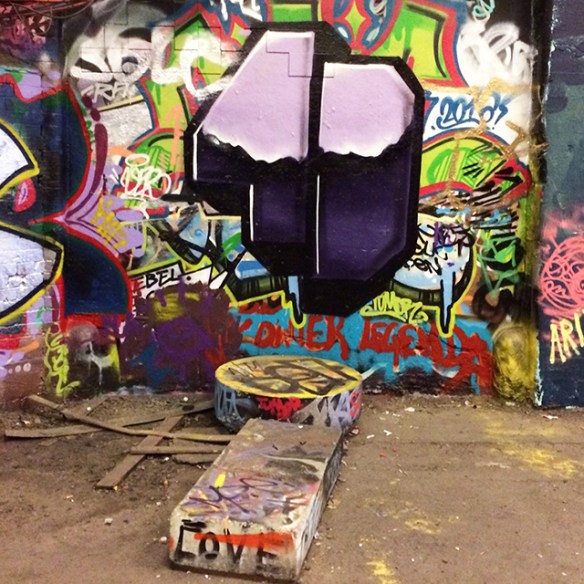 Leake Street.
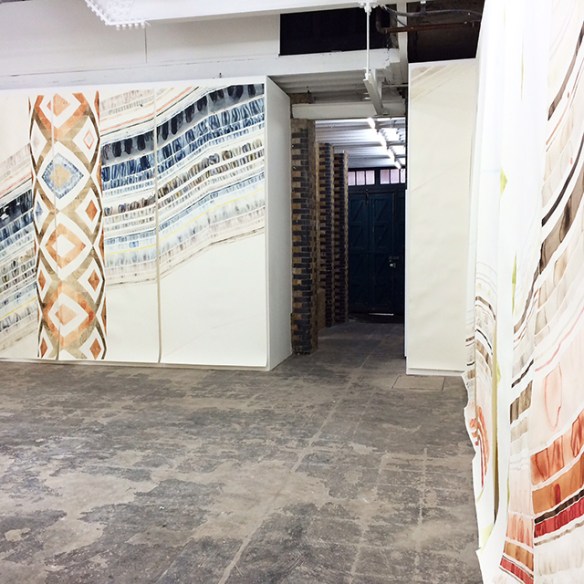 Claire Hooper at Hollybush Gardens has made a watercolour, life-sized, copy of frescoes from a temple briefly unearthed in the 1800’s and which date back to BC 2094.
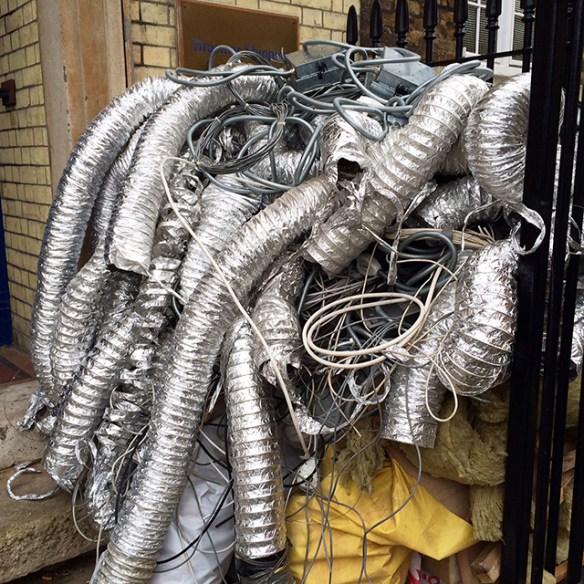 Came across some stacked up ducting in Bell Street.
 Ceal Floyer at Lisson Gallery taking a line for a walk up the gallery staircase.
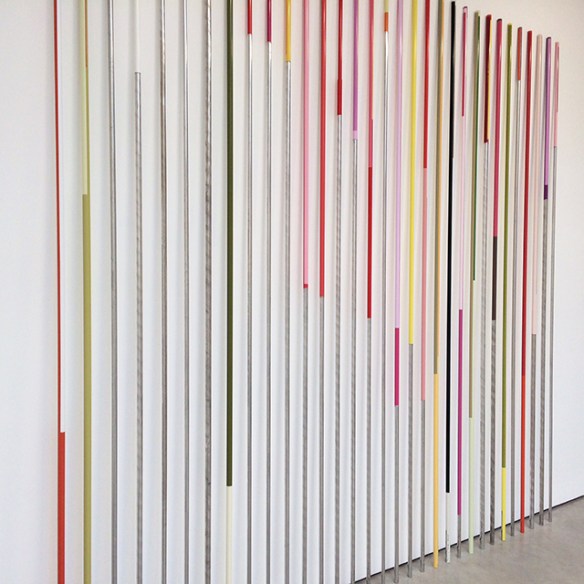 Jorinde Voigt at Lisson Gallery in a group show about drawing. Her trademark parallel lines have been rendered in a new material.
 A R Penck at Michael Werner Gallery.
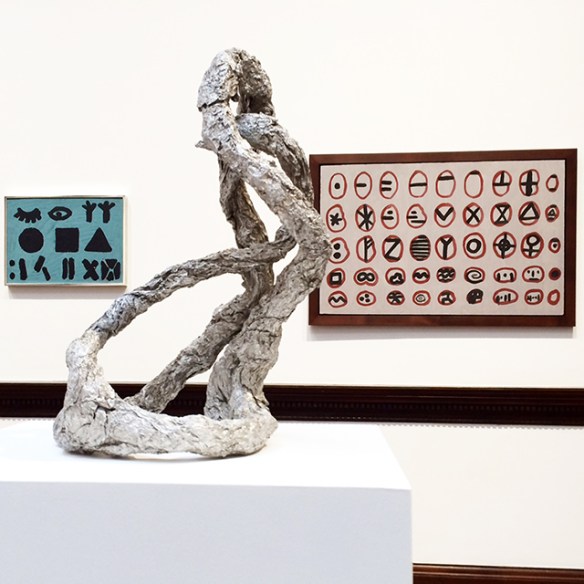 A R Penck at Michael Werener Gallery did some great early works.
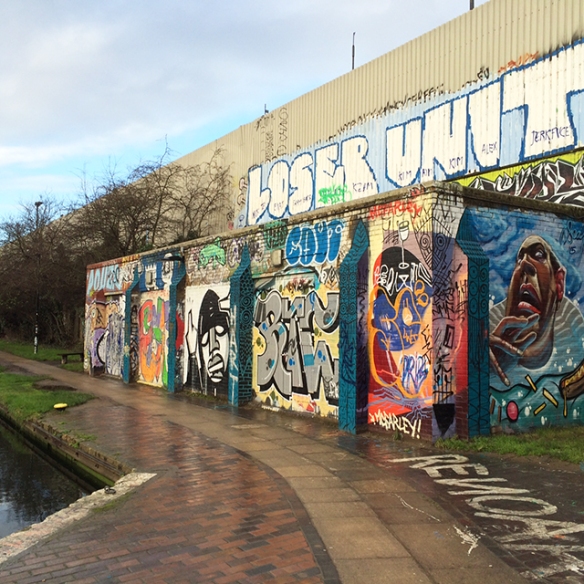 Great imagery on the Hertford Union Canal on the way to Brick Lane.
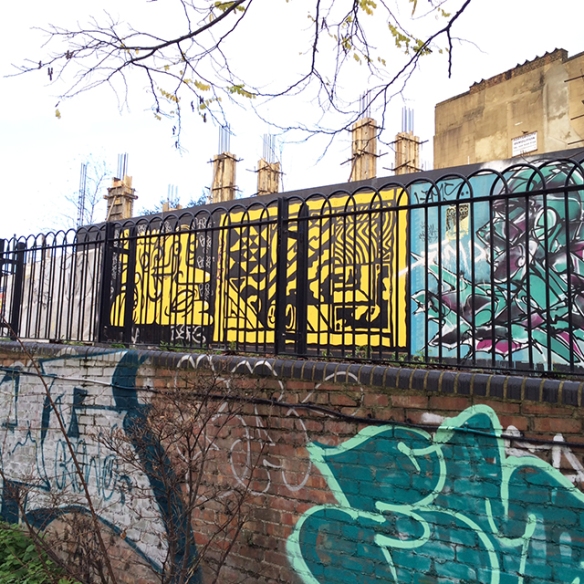 The Hertford Union Canal gives a good access route to Brick Lane.
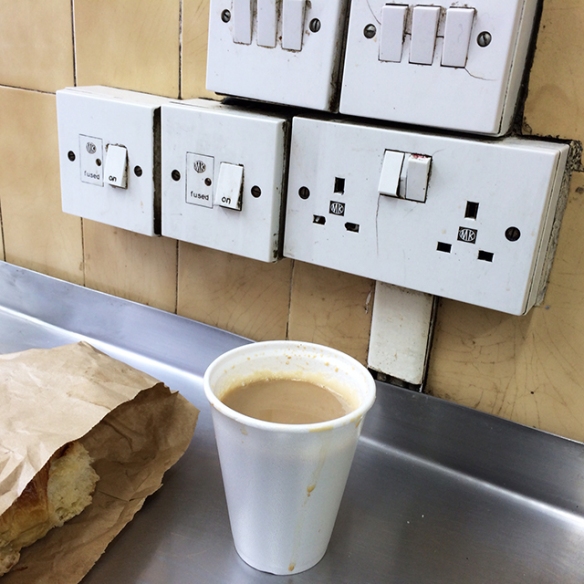 At Beigel Bake on Brick Lane.
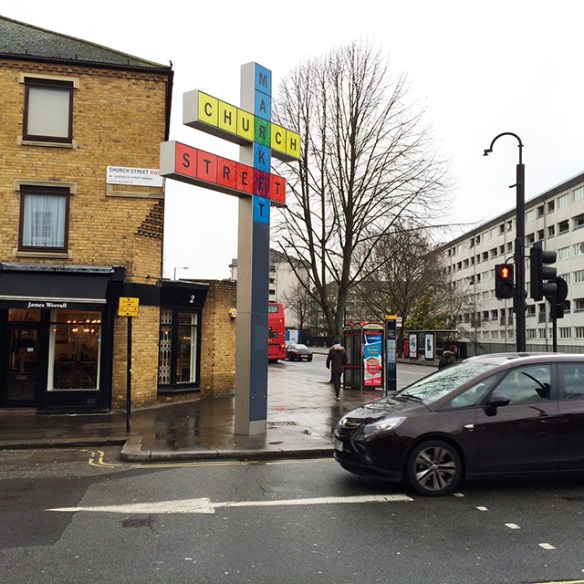 Approach to Lisson Gallery from the Regent’s Canal.
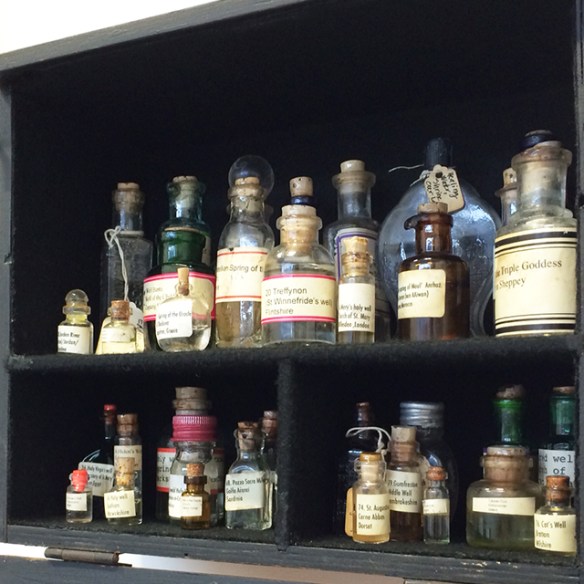 Susan Hiller at Lisson Gallery.
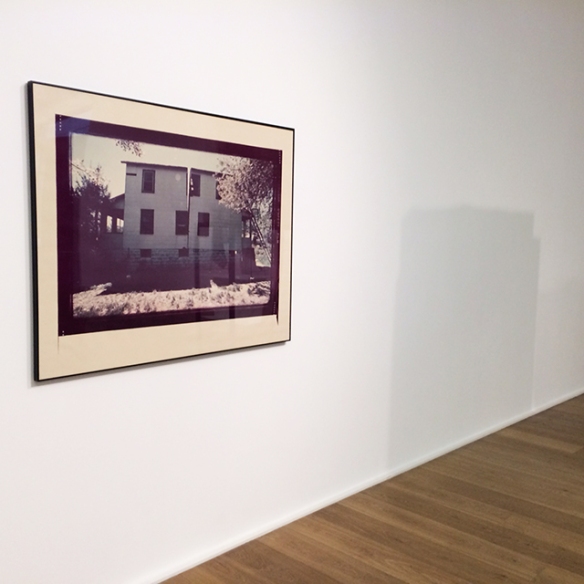 Gordon Matta-Clark in the Maisons Fragiles group show at Hauser and Wirth gallery.
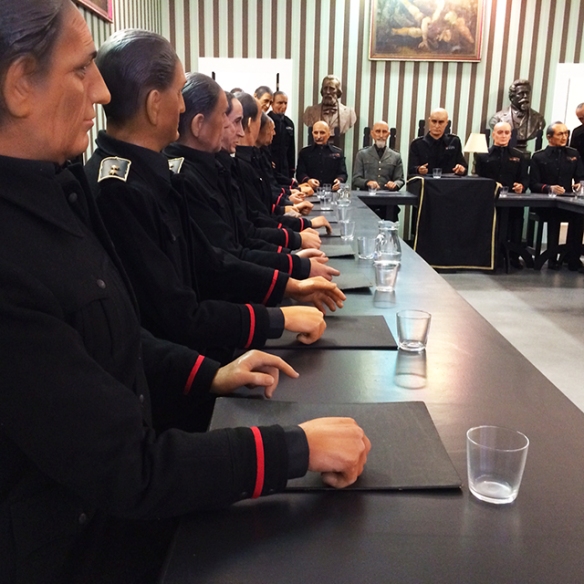 Fabio Mauri’s installation at Hauser and Wirth. You don’t want to walk into the space at first. These are wax models but you don’t know if there are living people amongst them.
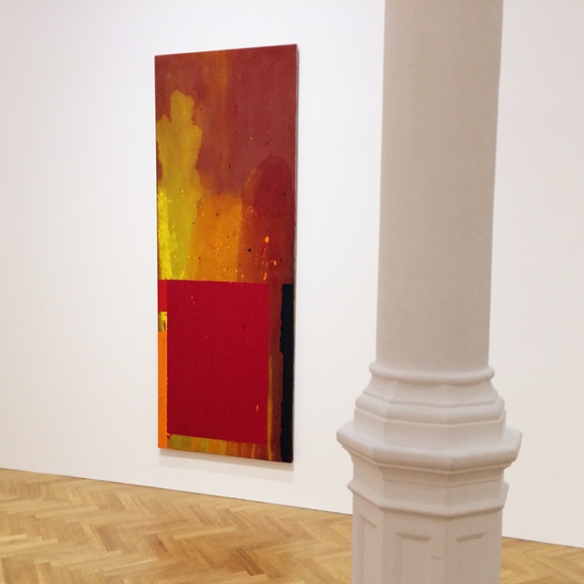 John Hoyland’s painting at Pace London looks hot! A forged steel support in the gallery is in the foreground. During a previous show by Yto Barrada where ornate carpets were laid on the floor, the same columns looked like the supports of a mosque.
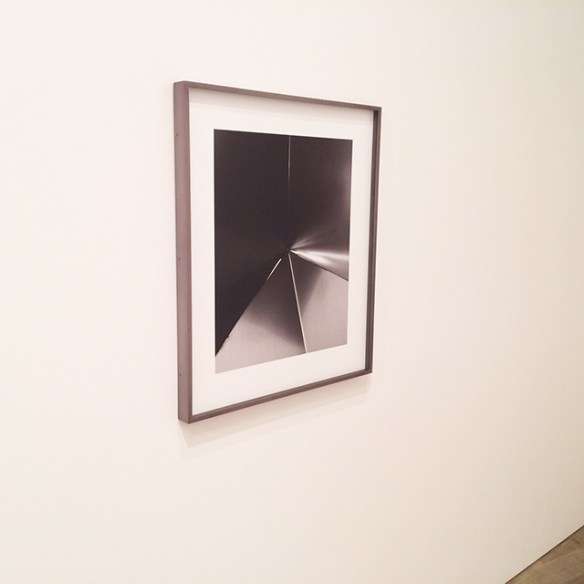 Luisa Lambri at Thomas Dane gallery. She photographed Lygia Clark’s hinged metal-plate artwork. It was interactive in it’s day and gallery visitors could shape it.
 Gallery Runner