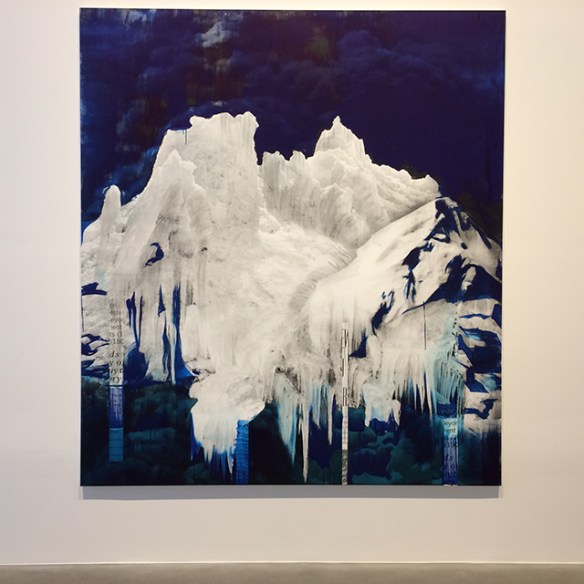
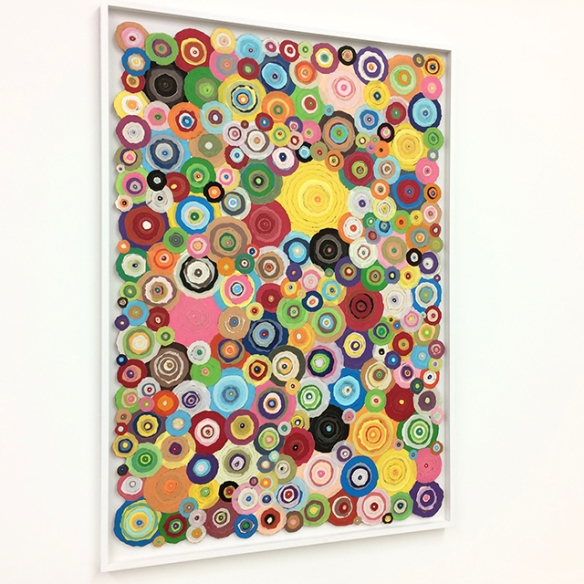
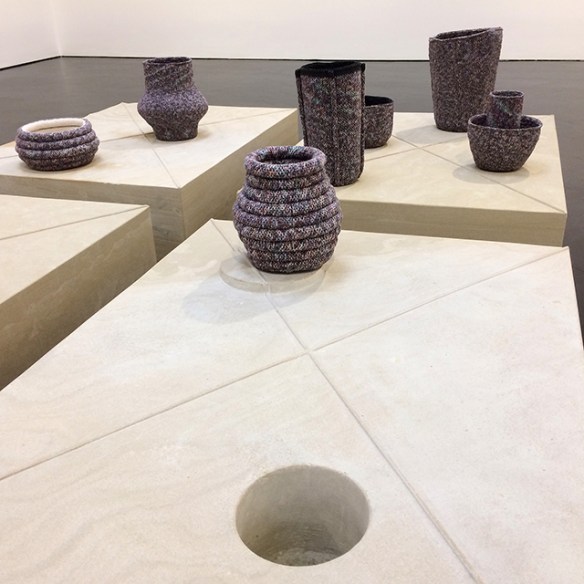
Gallery run 20th April

1109
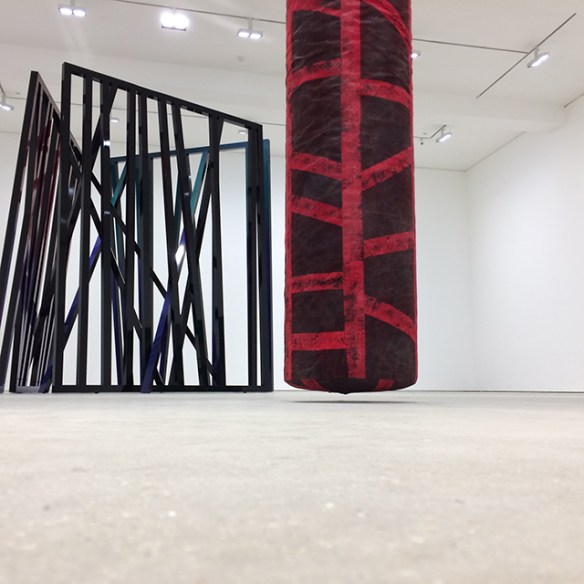
Cinthia Marcelle of Sprovieri, showing at Modern Art Oxford.
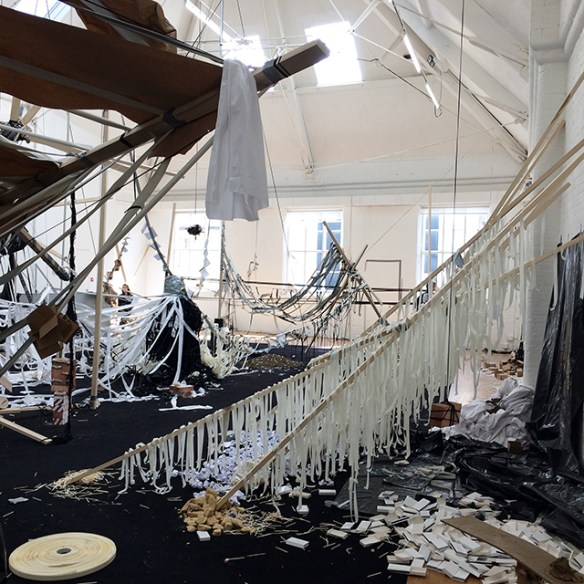
The artist’s project involved bringing in local Oxford artists to create a fantastic installation from a set of neatly stacked building materials, shown in parallel in another room.

1108
Church forecourt near Heathrow Airport, on the way to Modern Art Oxford by bike to see and photograph the work of Cinthia Marcelle.

1107
Cinthia Marcelle of Sprovieri showing at Modern Art Oxford. The artist created a Before space showing these materials and an After space where they have been turned into a great installation.

1106
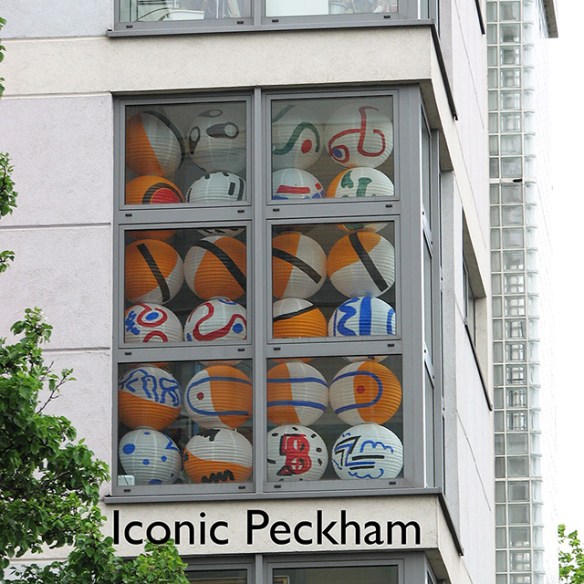
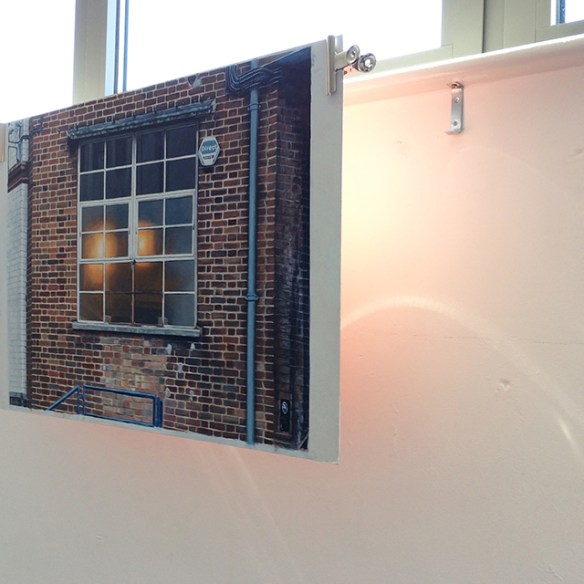
Art CP Galleria happening in Peckham. Co-curated by Julian Sharples and Enzo Ferrara.

1105
Julian Sharples (myself), Peckham art happening, co-curated by Enzo Ferrara and Julian Sharples.

1104
Julian Lowe ArtCPGalleria Peckham art happening.

1103
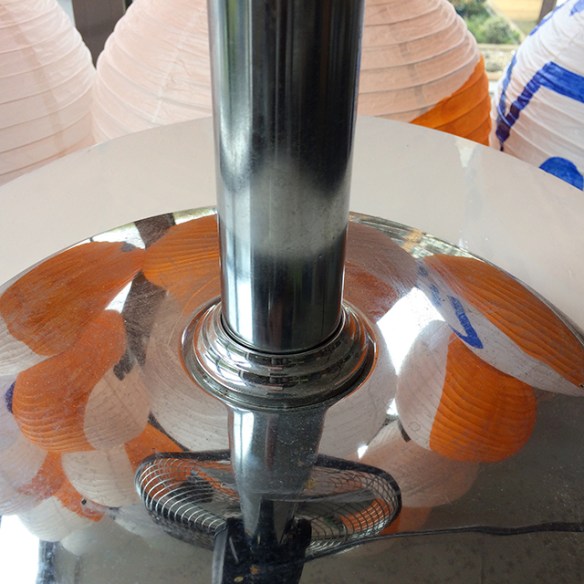
ArtCPGalleria, Peckham art happening. Oscillating fan.

1102
AAArt piece in Peckham art happening by ArtCPGalleria co-curated by Enzo Ferrara and Julian Sharples.

1101
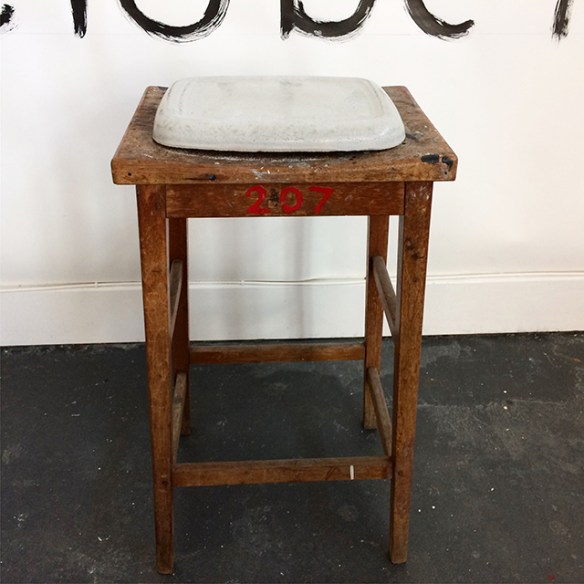
AAArt207 in Peckham art Happening ArtCPGalleria.

Gallery run 13th April

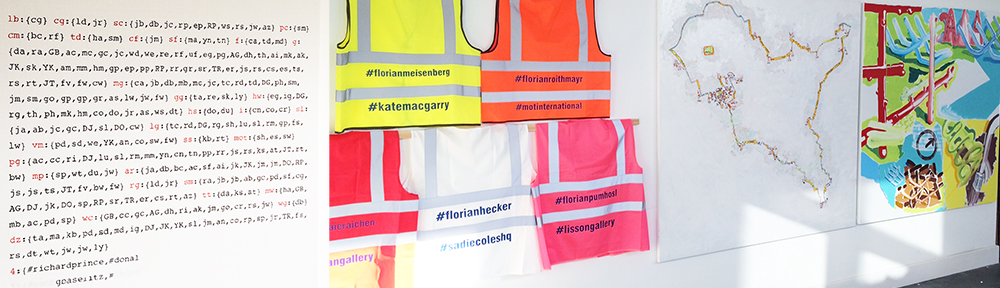
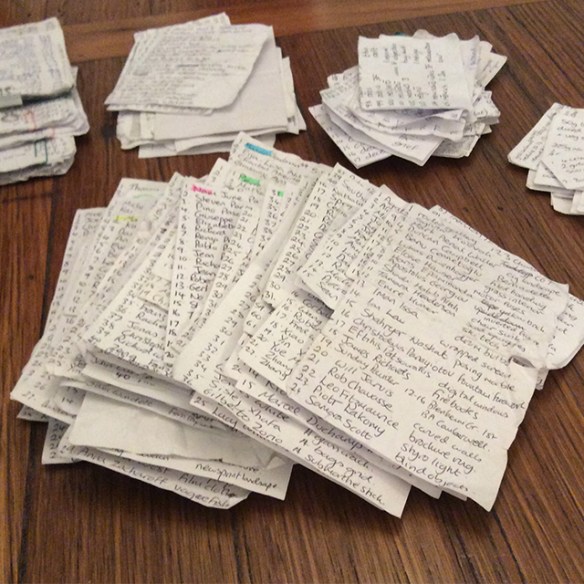
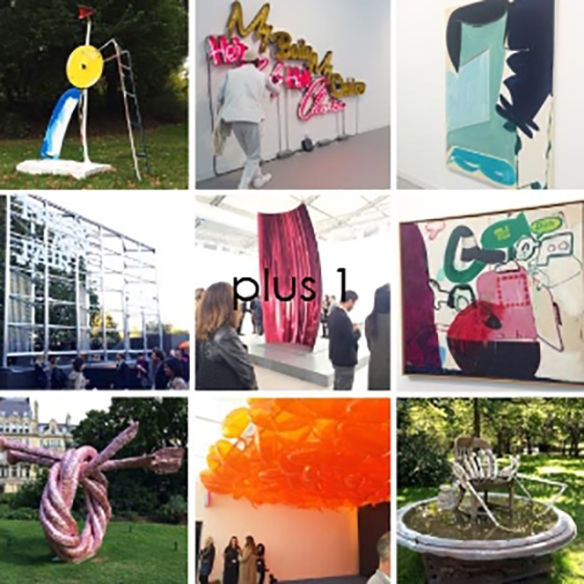
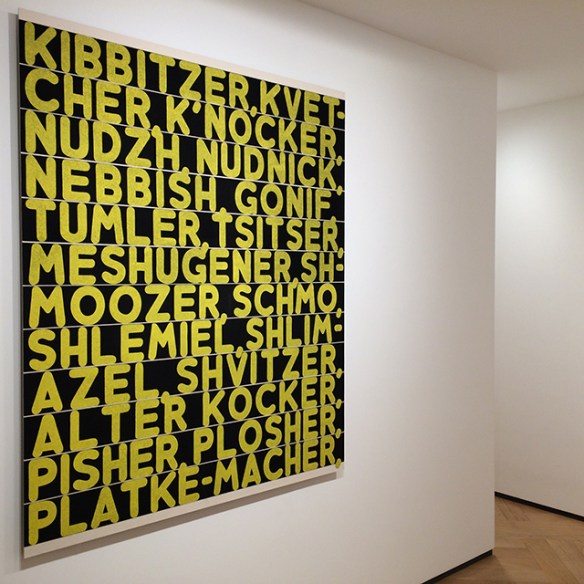
Like last week, this Gallery-Run-write-up has been reduced to the individual photo captions, shown further down the page, in order to make room for a temporary project called Plus 1 that now follows. Guests join me, hopefully, on a gallery run and will share ideas. Alas there are still no takers, though admittedly I still haven’t really asked anyone else yet, beyond the hopeful invitations shown last week. This week’s article features something entirely different, though still comprising a sort of plus 1, whilst also verging on the confessional! For two months I learnt the names of artists associated with London-Frieze-exhibiting galleries, from lists of paper whilst out jogging being careful not to run into lampposts or pedestrians. Each list could be hand-held and studied. Some even show the effects of rain or of being stuffed into a pocket. Along with a two word summary of something that each artist did, the process helped to create a stack of memory boxes that follows the sequence of the numbered lists shown in the photograph below. The memory boxes automatically bring forth the next in the stack, provided they are cycled through in recall about once every fortnight. The boxes also bring with them an essence of each artist, since they have gradually filled up with experiences of gallery visits. Memory is a strange thing and this sequential recall is probably born through the need to piece together consecutive events in time, something the philosopher David Hume considered to be the rather unphilosophical survival function that shapes the human brain.

listsThe Lists Cycle. Gallery Runner lists in the foreground.

1091
Pablo Bronstein of Herald Street Gallery with a film that crosses the glam game show format with some of the grand narratives of Greek mythology.

1092
Bernard Cohen at Flowers Gallery.

1093
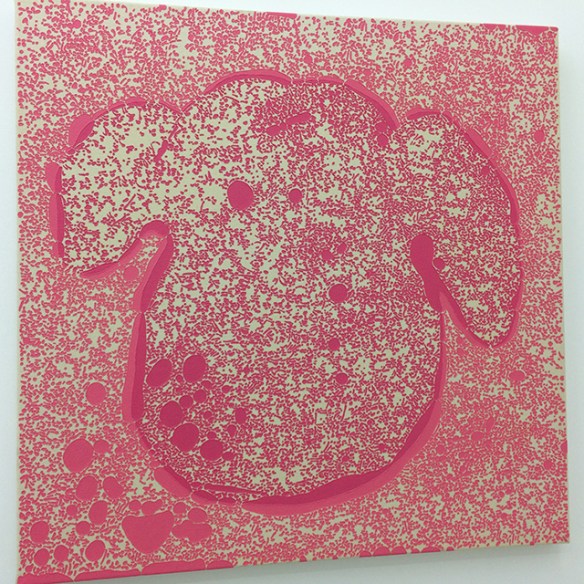
Elizabeth Murray of Pace Gallery showing at Victoria Miro with what looks like biological imagery on the shaped canvas.

1094
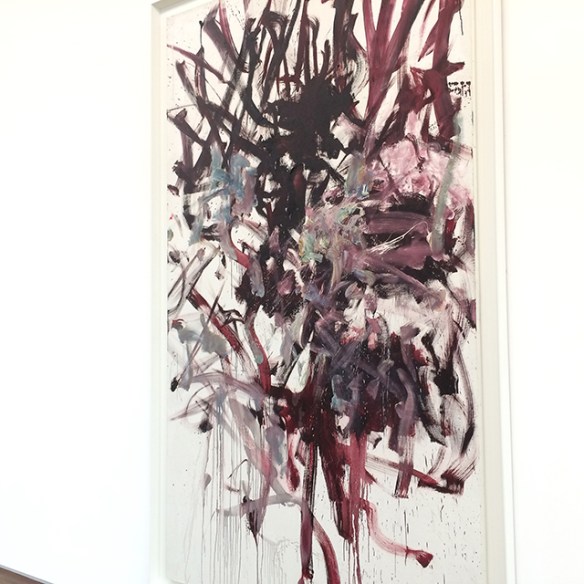
Joan Mitchell at Victoria Miro in a group show.

1095
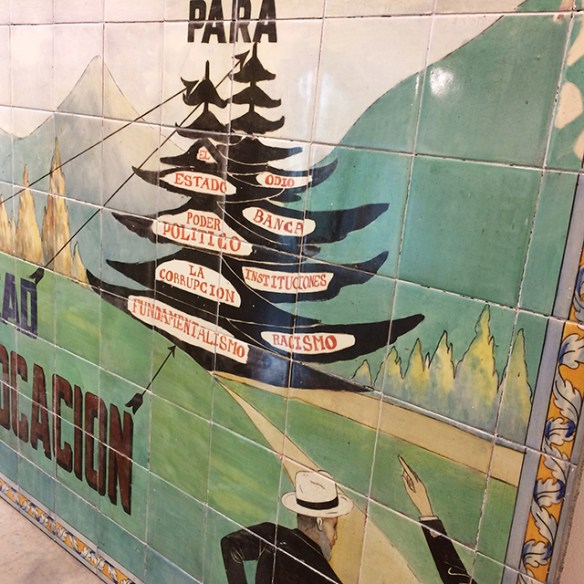
Carlos Garaicoa at Parasol Unit with reconstructions of tiled Cuban adverts, albeit with a few alterations.

1096
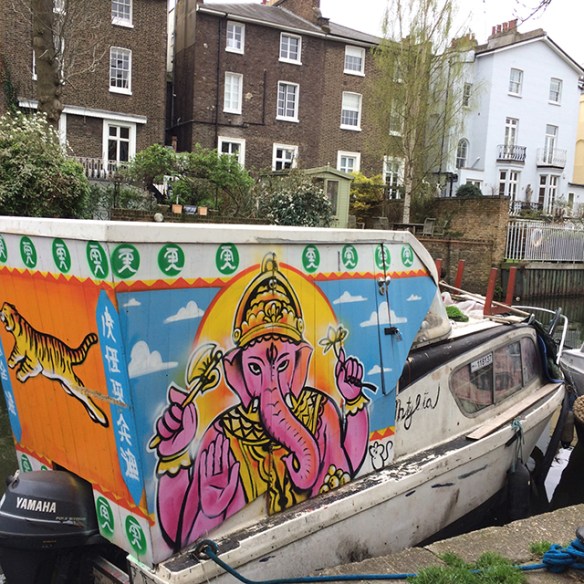
Fab boat in Camden.

1097
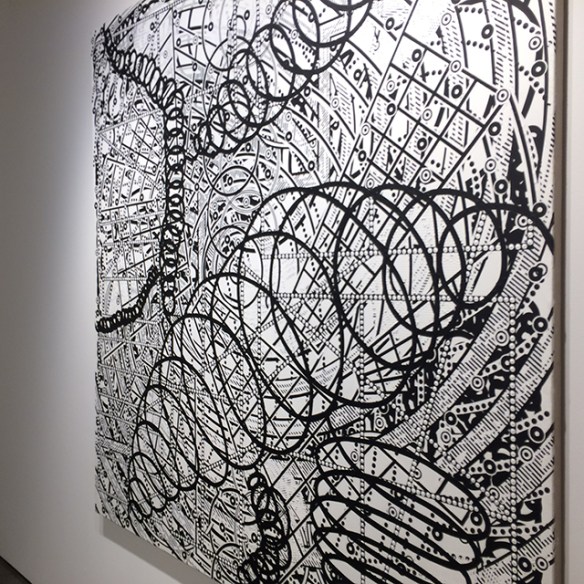
Ryan Gander of Lisson Gallery with carved shapes from an important mathematical blueprint. Meanwhile the black pile of sand steadily grows during the show from a thin stream of sand falling out of a hole in the ceiling.

1098
Pedro Reyes of Lisson Gallery with a room full of sculpture and wall tableaux forming a complete system of ideas, some executed and some pending.

1099
Ian Cheng of Pilar Corrias showing at Serpentine Galleries. We see what appears to be a simple animation but gradually learn that the creature is living in real time and using a sort of AI to try things out and get used to its rather unusual body.

Gallery run 5th April

To start the Plus1 series, several invites have been made and sent out to people in the art world. This is perhaps the fantasy aspect of this project but sets out some of the key markers that define what Gallery Runner is about. This week features two of the best invites sent out. Alas, for the reader expecting a co-runner already, there are no takers yet. Fingers crossed on this one. Cards went to amongst others, Hans Ulrich Obrist of The Serpentine Gallery and Victoria Siddall of Frieze, featuring on the front covers the best Gallery Runner images acquired from the various shows they staged.

HansSerpentine Gallery, best of.

VictoriaFrieze, best of.

The images from my solo run are shown below and were harvested from a run up to Hackney along the Regent’s Canal. Here Hales Gallery featured and then slightly west, Beers UK. Then we see two artists at BlainSouthern. Michael Werner features on the western flank of the run close to Hyde Park, whilst the run due south brings us to Corvi Mora and Greengrassi. The respective photos of the eight artists showing at these galleries are shown below along with the various captions that have already been used on Instagram.

1081
Sebastiaan Bremer of Hales Gallery with altered photographs modified through the application of minute drops of paint on the surfaces.

1082
Daniel Jensen at Beers London with sculptures made from simple everyday materials.

1083
Mark Posey at Beers London with delicate paintings of still-lifes.

1084
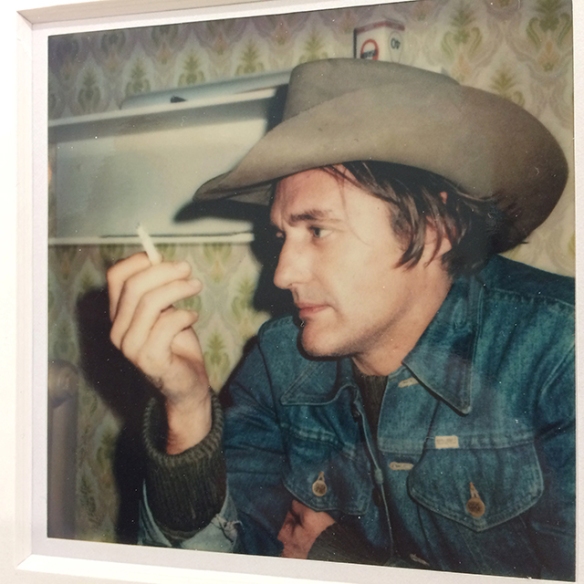
Wim Wenders of Blain Southern with a selection of his many Polaroids taken during his film-making.

1085
Gabriella Boyd at Blain Southern with slightly surreal paintings.

1086
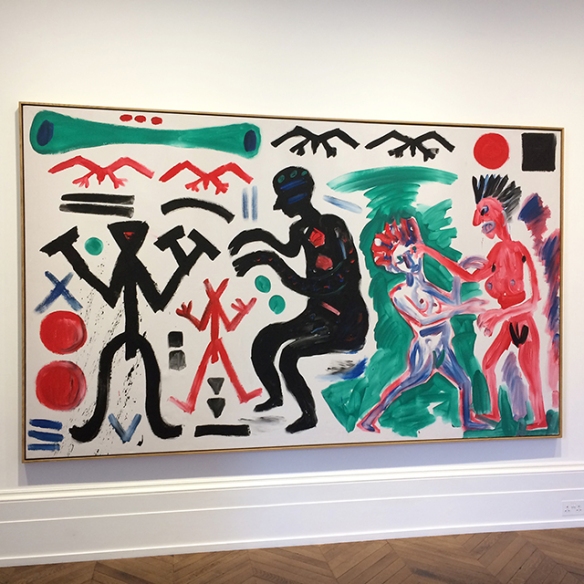
A.R.Penck of Michael Werner with colourful paintings from the 1980’s when the artist had finally crossed from East Germany to the west.

1087
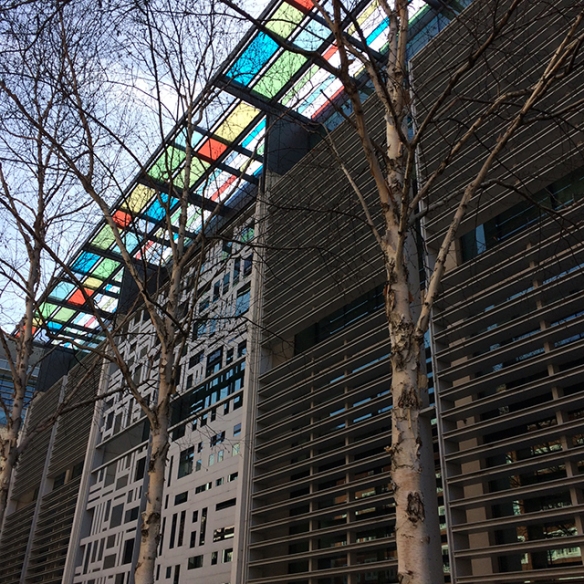
Government building near Westminster actually looking rather good in the afternoon sun today.

1088
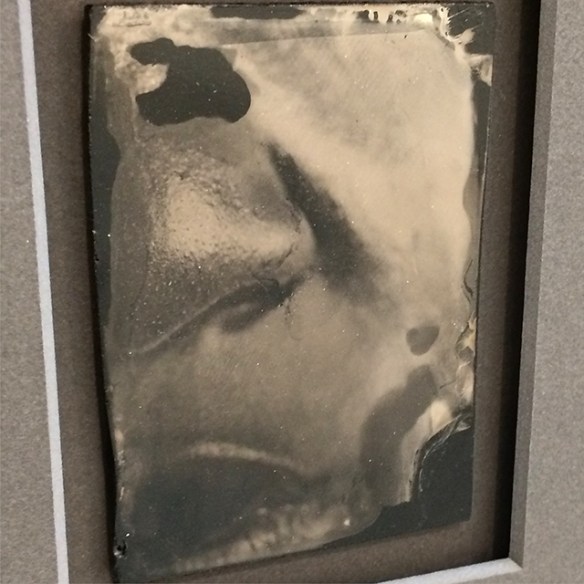
Myra Greene at Corvi Mora with small photographic portraits that use pigment on glass, a process used 150 years ago and a hint too at the important freedoms won for slaves in the US by Lincoln at the same historic period.

1089
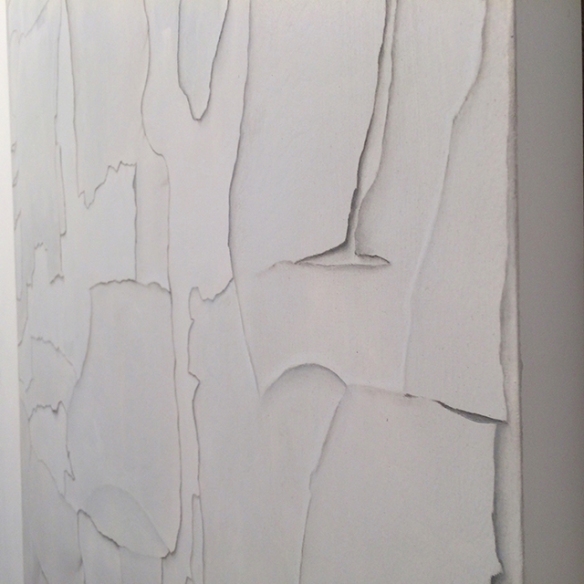
David Musgrave of Greengrassi with illusionistic paintings of peeling paint.

Gallery run 29th March

Greenwich Foot Tunnel is the gateway to the Isle of Dogs. Here the perimeter of the City Farm allows a sort of detachment from the nearby main roads, before a short excursion along the River Thames leads to The Regent’s Canal and another 20 minutes of peace and harmony. At Stuart Shave’s gallery, Eva Rothschild has made enormous sculptural pieces to harmonise with the internal space.

A watery theme continues with Jessica Warboys at Frith Street Gallery. She has created some great canvases using the sea as a fluid medium to move pigments around and to deposit additional silt-like particles of matter onto their surfaces. They have a delicate appearance with rhythmic patterns that make them look as though they were actually being viewed through water.

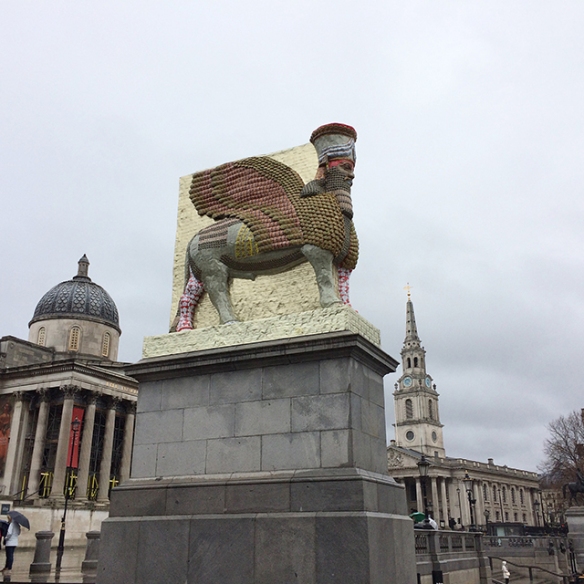
Finally the day is capped off with the much awaited arrival of this year’s fourth plinth sculpture. Michael Rakowitz has a majestic sculpture on view made up of old date box labels. Their localised bursts of colour, and exotic providence, have been used to recreate a Syrian sculpture that was recently destroyed.

1071
Eva Rothschild of Stuart Shave with various sculptural objects carefully presented in the space.

1072
Ricky Swallow of Stuart Shave with cast bronze objects based on incidental interior features.

1073
Jessica Warboys at Frith Street Gallery with images made by immersing pigmented canvases in the sea.

1074
Marvin Gaye Chetwynd of Sadie Coles HQ with gothic imagery based on bats and theatre props presented against flat photo backdrops.

1075
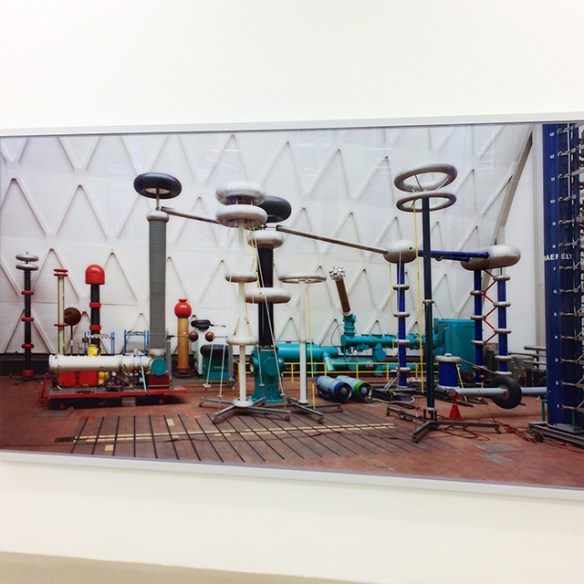
Thomas Struth of Marian Goodman with a photo of physics objects that would make one’s hair stand on end.

1076
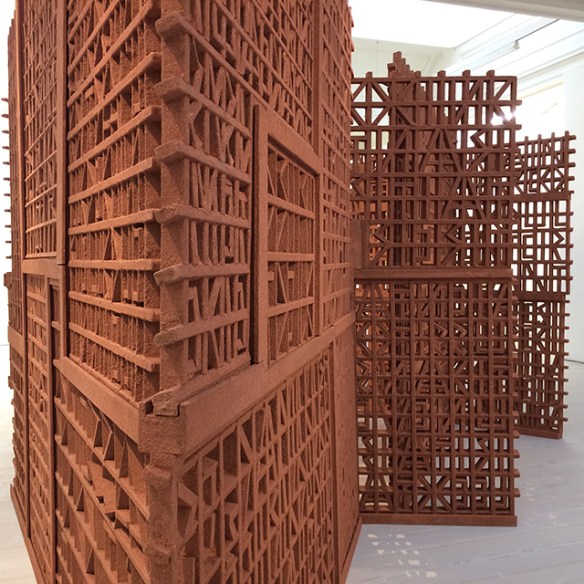
Cristina Iglesias of Marian Goodman with a hard looking cage-like structure which on closer inspection is delicate and made of a granular substance that actually smells quite nice.

1077
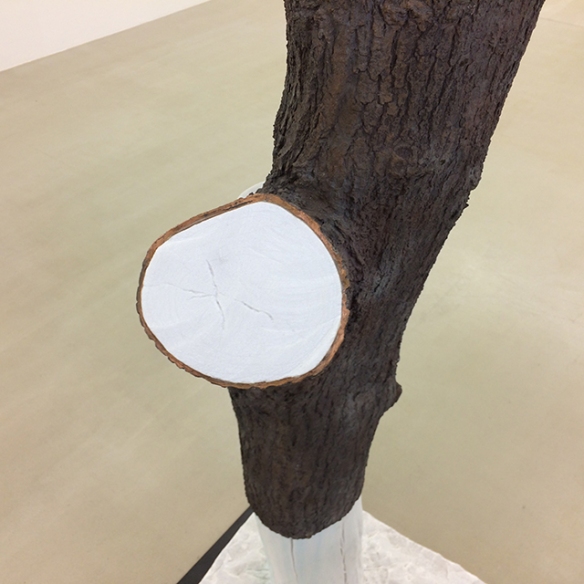
Giuseppe Penone of Marian Goodman with a characteristic adaptation of a natural object.

1078
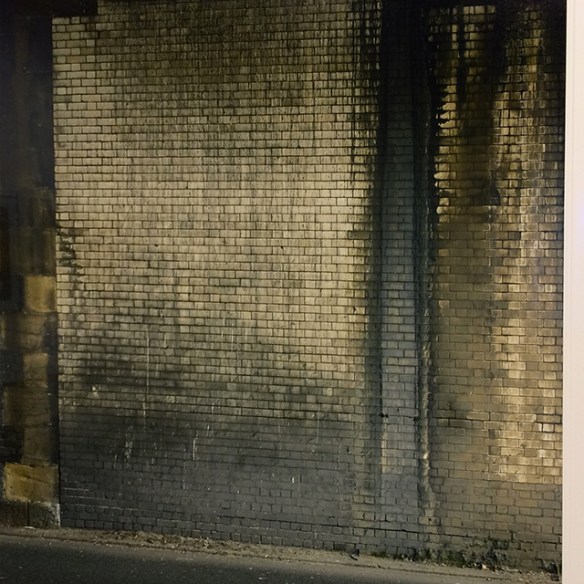
John Riddy of Frith Street Gallery with photo images of stained brickworks made during a stroll through South London.

1079
The fourth plinth has arrived. Michael Rakowitz has built a replacement for the original stone treasure recently destroyed, out of tin cans.

Gallery run 23rd March

A classic stop-off point is Brick Lane, at Beigel Bake to be more precise, where apple strudel costs just 80p. From here I move on from some of the galleries in the east of London towards the west end and on the way encounter Hollybush Gardens in Farringdon. On show is Turner Prize winner, Lubaina Himid. The room is full of wall paintings extending onto some additional objects propped upright on the floor. It is fascinating that the original utility of these painted objects, such as piano lid, is still immediately recognisable.

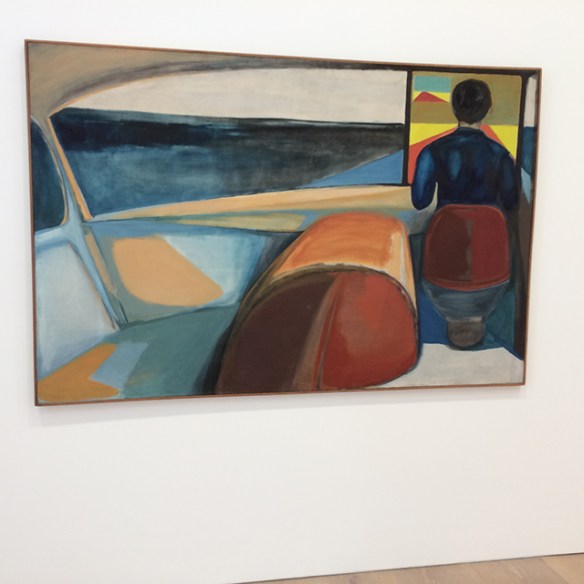
Jogging west past Holborn, the Mayfair galleries are finally reached. David Zwirner on Grafton Street is hosting Andrzej Wroblewski, a Polish artist who oozes Eastern Block charm. His Chauffeur series features drivers with their back turned to the viewer. A Gauguinesque blaze of colour near the driver’s head appears to demarcate that area of the vehicle window where the subject’s own psyche has intervened into this external world.

Then doubling back slightly, for a reason I can no longer remember since this is a slightly stripped down and edited re-write, Sophie Von Hellermann has been exhibiting some lovely loose paintings at Pilar Corrias. Formally of Vilma Gold, which shut last Autumn, the artist has found a good replacement with this gallery on Eastcastle Street.

1061
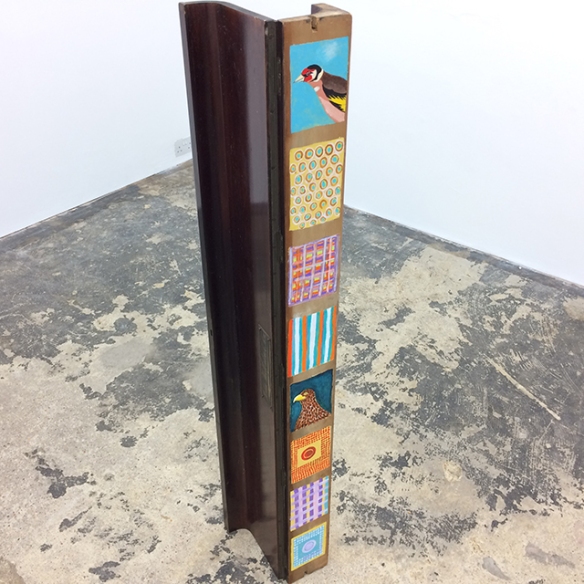
Lubaina Himid of Hollybush Gardens with a painted piano lid.

1062
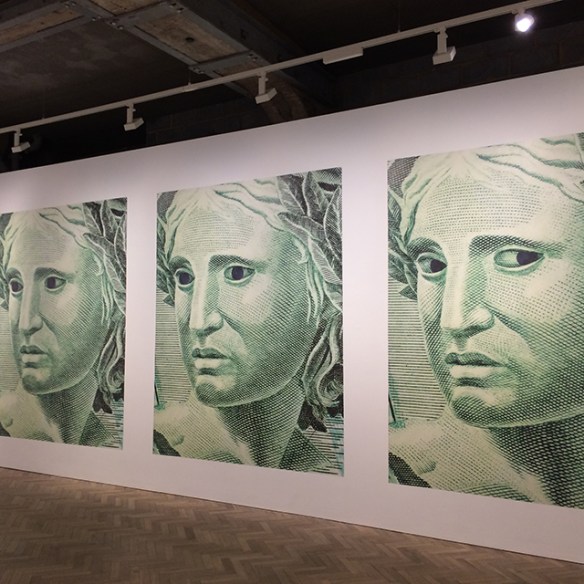
Jose Damasceno of Thomas Dane Gallery with a small intervention on the eyes of Brazilian money-prints.

1063
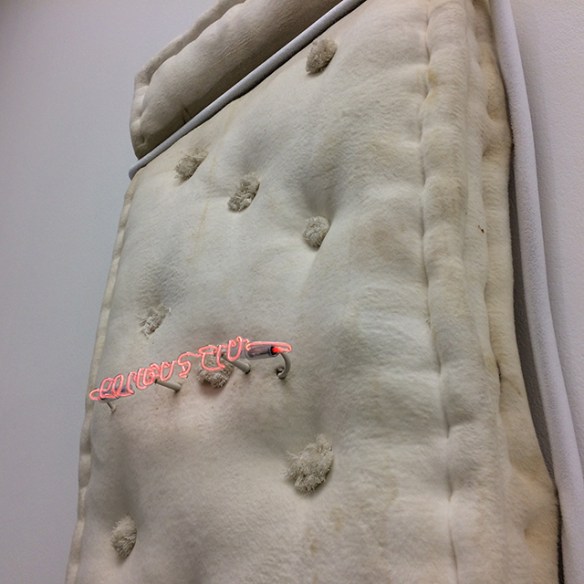
Pier Paola Calzolari at White Cube who uses refrigeration units in his sculptures to produce pure whites.

1064
Mel Bochner at Mazzoleni Gallery.

1065
Andrzej Wroblewski at David Zwirner with an image from his Chauffeur series.

1066
Roy Newell at Simon Lee Gallery with meticulously worked miniature paintings.

1067
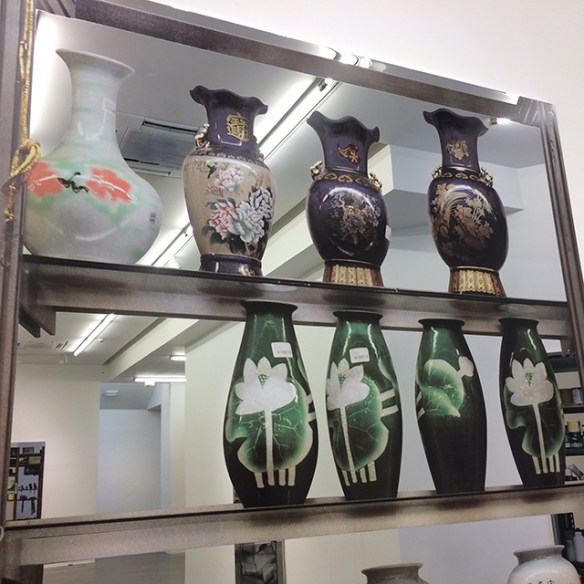
Michelangelo Pistoletto of Simon Lee Gallery with shelving images on his characteristic mirror backgrounds.

1068
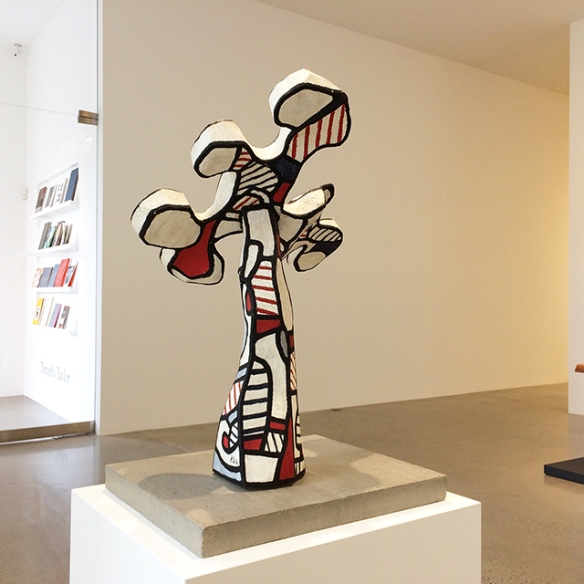
Jean Dubuffet at Timothy Taylor with one his familiar cellular-based sculptures.

1069
Sophie Von Hellermann of Pilar Corrias with colourful paintings from the imagination.

Gallery run 16th March

The day starts with a jog to Matt’s Gallery. The gallery is doing a sequence of short one week shows and with this fast turnover has quite an itinerary lined up. This week it is Mandy Ure, who I remember well from Goldsmiths. She had a great way of mixing random marks, from paint pouring and dripping, into purposeful compositions through subsequent blowing up and careful finishing with a paint brush. Her work today is reminiscent of the shapes under a microscope and her own purposeful action has become here a metaphor for the careful order maintained in the blob-like structures of cells.

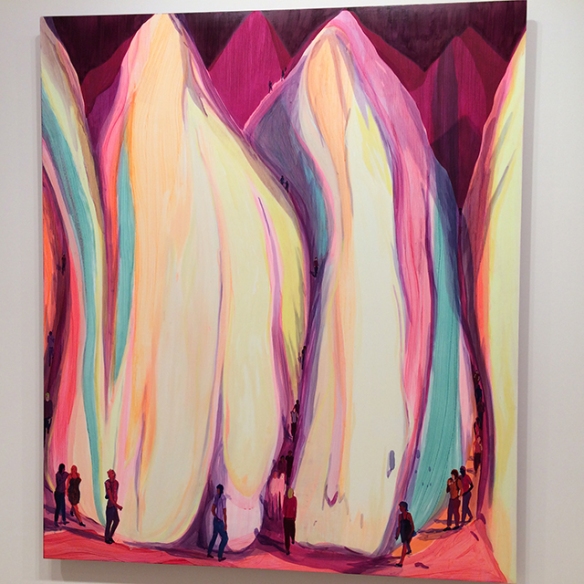
A few hours later after seeing the works shown below I come to the last gallery of the day, Victoria Miro and see Jules de Balincourt. His paintings are from the imagination and a rather sublime one at that. Figures are dwarfed by a spectacular multi-coloured boulder. Though the image is physically small, it extends into the abyss of the viewer’s own imagination and stirs up a host of resident memories!

1051
Mandy Ure at Matt’s Gallery with small abstracts.

1052
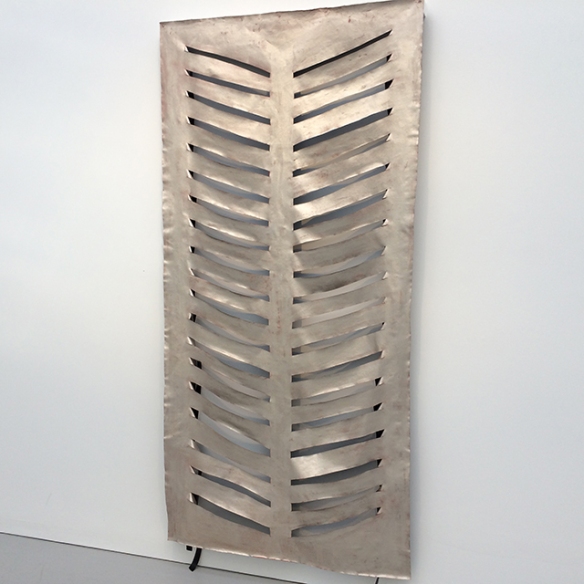
Laura Gannon at Kate MacGarry with cut canvases painted with metallic pigments.

1053
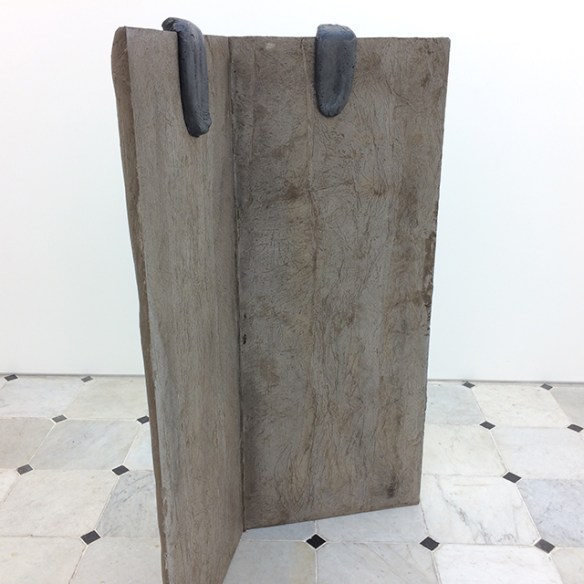
Michael Dean of Herald Street.

1054
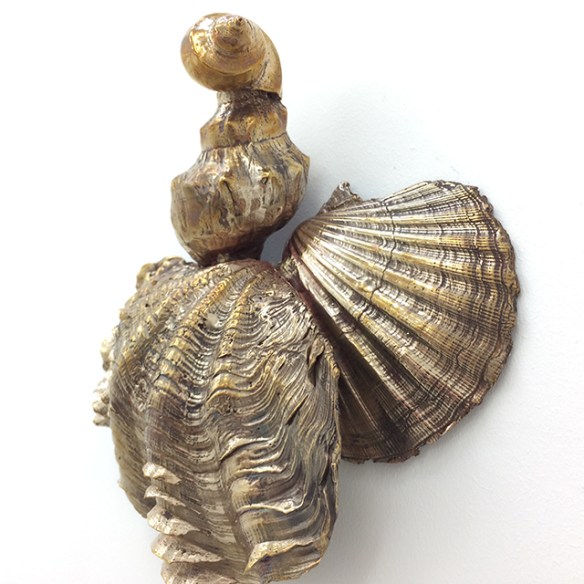
Amalia Pica of Herald Street showing a small cluster of castings of shell-like objects.

1055
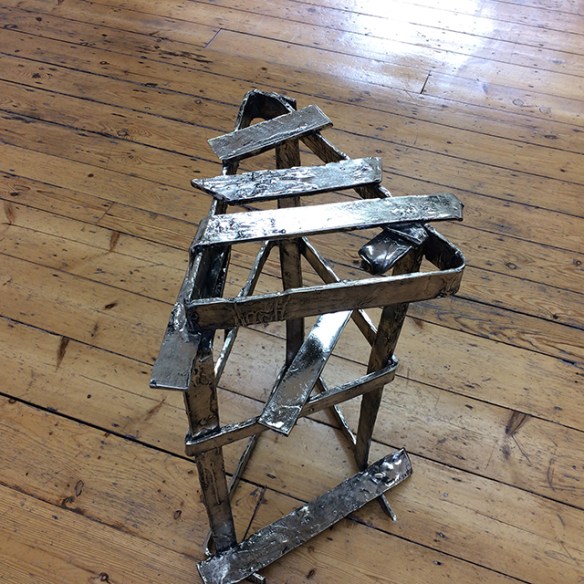
Francesco Arena of Sprovieri Gallery with a performance stool. It can only be sat on by someone whose age is 33, the difference in age between artist and father. A death will cause this interval to change and that will impede on the required age for the stool-performer.

1056
Matthew Day Jackson of Hauser and Wirth with recreations of Dutch still life paintings made with DIY materials.

1057
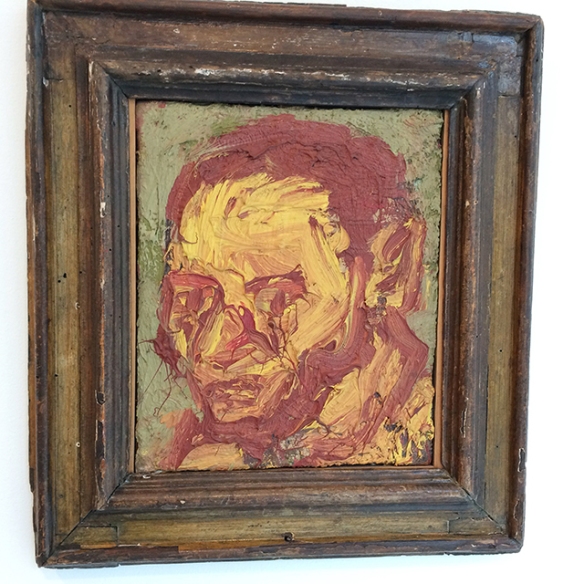
Leon Kossoff at Ordovas.

1058
Lorna Simpson at Hauser and Wirth with delicate washes on screenprinted and newspaper images.

1059
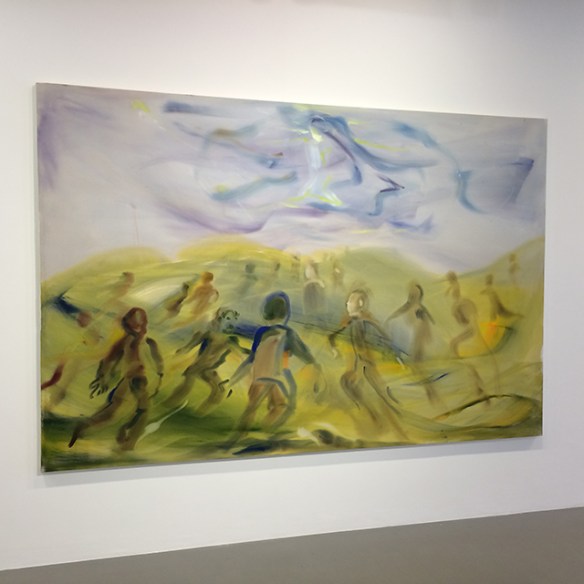
Jules de Balincourt of Victoria Miro with vividly coloured landscapes populated by crowds of small figures.

Gallery run 9th March

The day begins with a jog up to White Cube Gallery in Mason’s Yard. Minjung Kim has used traditional Korean craft techniques to lay down layers of ultra-thin mulberry tree paper into rhythmic compositions. The paper has many uses outside of art in the artist’s native country including as window panes, due to its strength even in thin layers allowing light to diffuse between the various natural fibres. Downstairs, the artworks are vividly coloured. The paper has been dyed and applied in layers, with each piece burnt along one edge in a ritualistic gesture by the artist, one that we are told is accompanied by the smell of incense and a discipline of complete silence. The overall effect on the artworks is to create textured regions of intense colour reminiscent of flowers and natural vegetation.

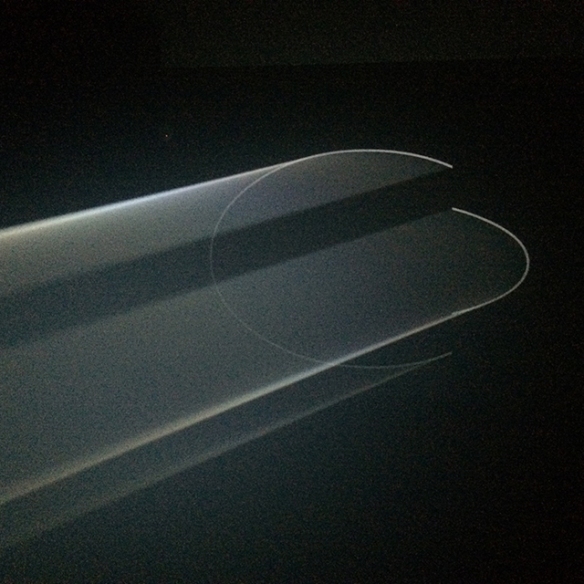
In Sprueth and Magers just across Piccadilly, Anthony McCall is displaying a light installation. His use of a smoke-like mist in these light-works, allows the experience to be a 3D one rather than just the conveyance of an image from one flat medium, a digital Jpeg in a projector, to a screen on the far wall. Yes, the screen is still present as the final destination for the image, but the light wends its way through wisps of smoke, like in those cigarette-friendly cinemas of one’s youth, catching the little eddies of particles on the way, creating straight shimmering beams of light across the room. The image itself is simple enough, a single line that is curved into an ellipse, sometimes perfectly rounded, sometimes dislocated into a stepped join between end and beginning, but the transition between the two is captivating as the digital projector slowly cycles from the one to the other.

At Grosvenor Hill a few hundred metres further on, is the Gagosian Gallery. A burst of applause echoes from within the furthest room. Glenn Brown had given me a great tutorial twenty years ago and he is instantly recognisable as the same chap. With his address to a group of visitors in the background and my own sketchy knowledge of some of his main artistic concerns gleaned during that generous four hour tutorial, the work on display takes on an extra depth. The painting is ultra flat as many of us would be familiar with, whilst the waxy trails of paint from the historical canon he explores, are simulated with intricate brushwork. These labour intensive works used to net the artist just a couple of pounds an hour, a fact which he presented as a footnote to the precarious business of being an artist, during the aforementioned tutorial. It was interesting to hear from this address that whilst the paintings are still labour intensive, twenty years later, the intricate sketching style of some of the accompanying drawings is actually very quick to execute. Here, expertise of his medium appears to have allowed the artist to bend some of those time constraints of the beautiful painted works, and create an image that takes on the same rapid fluidity as those very lines he has imitated.

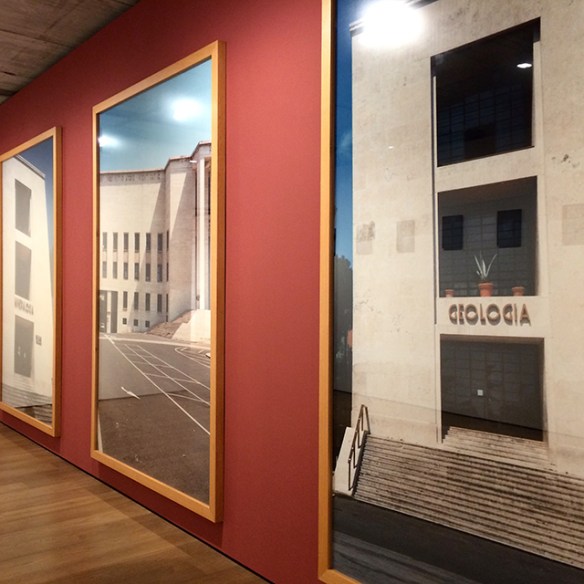
A second major gallery sits just round the corner and is the home of Almine Rech. Gunther Forg has several large photographs on display of variously imposing buildings. These are neo-classical in style and each is emblazoned with a title depicting the particular institution it houses. Whilst the titles such as GEOLOGIA and MUSICA are true to the original photographs, rendered in various block capitals in concrete or metal, and sitting above the grand entranceways, they nevertheless form a more extended and general index of knowledge, one which is familiar to us from library shelves and TV documentaries. Meanwhile, the buildings have a grand scale themselves, both in their photographic representation and in their actual physical size. Presented together along one wall, the images appear monumental and we get that rare sense of an illusionistic space that is actually bigger than the expansive gallery it has been presented in.

1041
Minjung Kim at White Cube who makes images from thin layers of mulberry tree paper.

1042
Tonico Lemos Auad of Stephen Friedman.

1043
Bjarne Melgaard of Galerie Thaddaeus Ropac with recently finished work that fills the room with an aroma of linseed oil and paint from their drying surfaces.

1044
Sturtevant at Galerie Thaddaeus Ropac.

1045
Anthony McCall at Sprueth Magers with slowly moving light projections, which uses a smoke-like substance in addition to a screen, to capture the image. The public are encouraged to move through the space and disrupt the image.

1046
Bosco Sodi of Blain Southern with a piece at Philips.

1047
Glenn Brown of Gagosian showing paintings where the brush marks of oil paint are simulated with a flat almost photographic surface.

1048
Gunther Forg of Almine Rech.

1049
Sculptures on Grosvenor Hill.

Gallery run 4th March

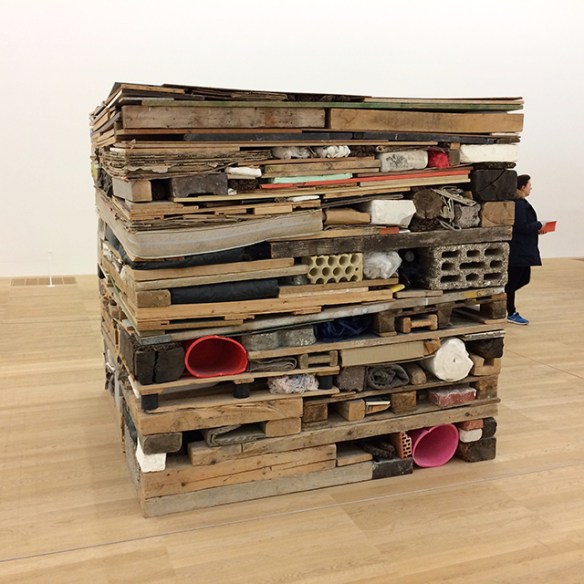
This has been the week of the big freeze. Whilst it’s been possible to run in the snow, the prospect of having to then shake off the snowflakes upon ringing a gallery buzzer, has been enough for me to delay these visits to this Sunday. First stop is Tate Modern where a stack of materials including red buckets and wooden pallets occupies an almost perfect cube of gallery space. This work is by Tony Cragg and represents the early development of an artist who would go on to create his familiar idiomatic style of layered figures with beautifully smooth machine-worked surfaces.

The Barbican lies due north, over the Millennium footbridge, past St Paul’s Cathedral and across the raised walkway that takes one from the old city walls near the Museum of London to the unassuming doorway on level 2. The banality of the Barbican’s entranceway offers a sort of parallel to the concrete facades outside, confirming the utopian ideal that culture itself should provide the colour and nuances that these physical surfaces lack. This is not an unreasonable or untenable position to take. Frequent visits are nearly always rewarded by the work on show and today is no exception. Yto Barrada, an artist represented internationally by Pace Gallery, has echoed some of the utopian concerns of the hosting site, by depicting another ambitious building project in Agadir, where the greatest architects of the 50’s laid down their smooth lines against the backdrop of a city ruined by civil war. To capture this unique moment in history, the artist has juxtaposed simple wall drawings of the various radical buildings against items of furniture made from more traditional North African weaving techniques.

Maureen Paley is the only commercial gallery I would go on to visit today, since it offers the gracious distinction of being open on a Sunday whilst also exhibiting one of my favourite artists, Kaye Donachie. The paintings are primarily of women and this indeed is one of the show’s themes, to recreate the lost history of which these women were an important part, and in this sense the paintings offer an alternative view of reality. The dissolving forms that loosely depict these figures offer a kind of critique of this failed history, a history that has not managed to grow or take root, by showing instead not a photographic likeness but rather a likeness that seems to have been fashioned from chance events. A nose with distinct outline takes on the additional burden of sporting a giant brush mark, one that has obliterated its curved form, yet somehow this addition works and the facial feature seems strengthened rather than undermined by it.

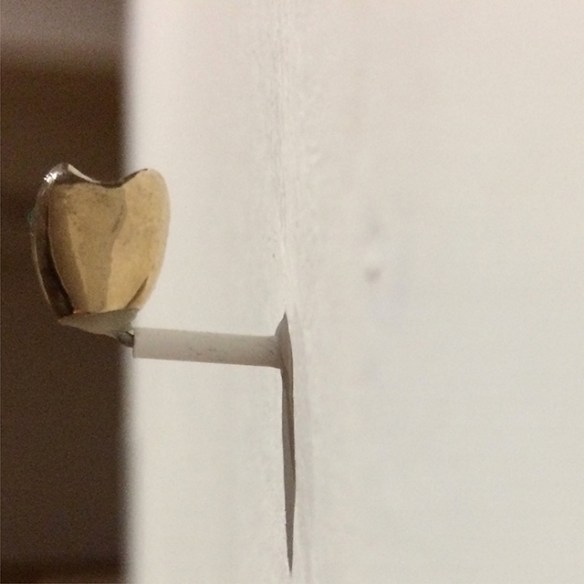
Finally at Chisenhale Gallery we have dentistry raised to the level of art. This is not because the golden tooth that would be inserted into the artist’s mouth is particularly beautiful nor is it anything to do with recent developments of artworks taking on the narratives of prosthetics or plastic surgery. No, this dental procedure comes as a rather beautiful gesture by the artist, Lydia Ourahmane, who had the tooth inserted as a delicate and empathetic response to her own grandfather. He had in fact extracted all his own teeth in a decisive gesture against the then ruling French government. As a native to north Africa, he was at odds with their presence in his country. Then faced with the impossible position of being required to fight for them, he decided to render himself unfit for service by taking the drastic action described. This story is revealed in the gallery through the body of the artist, his grand daughter. An X ray depicts her own mouth before having the tooth inserted, whilst next to it mounted on the wall is a little nugget of gold, a second identical gold tooth in fact, since the artist had actually had two made, which offer a sort of tableaux vivant of these various events of fifty years ago.

1031
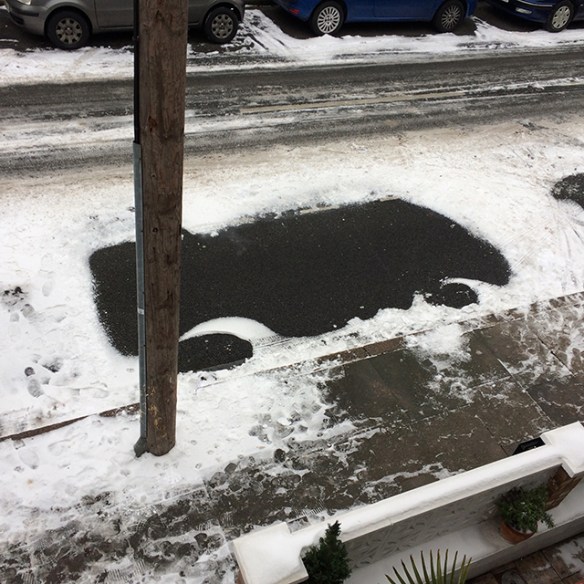
During the big freeze, on the day of the hoped-for gallery run. It was too cold.

1032
Tony Cragg at Tate Modern.

1033
Wheat objects woven together by Ana Lupas. This was based on a traditional Romanian practice.

1034
Yto Barrada of Pace Gallery showing at the Barbican Curve with drawings of the modernist buildings in Agadir set against traditional woven chairs and lampshades.

1035
Kaye Donachie of Maureen Paley.

1036
Lydia Ourahmane at Chisenhale Gallery has produced a historical artwork. The gold tooth is a copy of the one the artist had inserted in remembrance of her grandfather who had extracted his own as part of his resistance to French rule.

1037
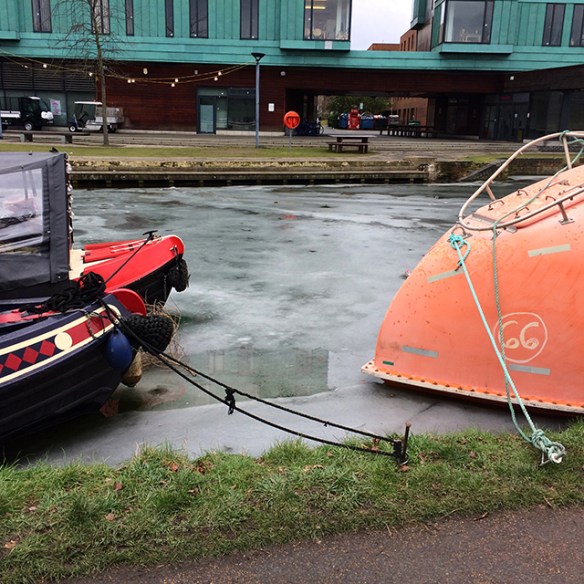
Regent’s Canal after the big freeze.

1038
Flavie Audi and Samantha Lee with large projections of iPad screens and an accompanying dancer at Specisl Projects on Decima Street.

1039
Adam Linder choreographed dance at South London Gallery.

Gallery run 22nd February

Rachel Howard is showing at Damien Hirst’s Newport Street Gallery. Fourteen large paintings are on display which, as the press release tells us, are intended to resonate with the Fourteen Stations of the Cross, the last hours of Christ as seen through the canon of Western painting. In addition a small fifteenth painting is on display based on a famous news photo depicting an Iraqi detainee standing on a box, arms outstretched and wires dangling downwards, connecting to an electric box. Human suffering is a theme that preoccupies this artist. The images themselves, apart from the latter, are abstract and their immediate content stems from the love that has been put into them. Many weeks elapse between the application of each new layer of paint, waiting for the old layer to dry, implying a degree of care and solemnity by the artist which offers some kind of parallel to her powerful subject matter.

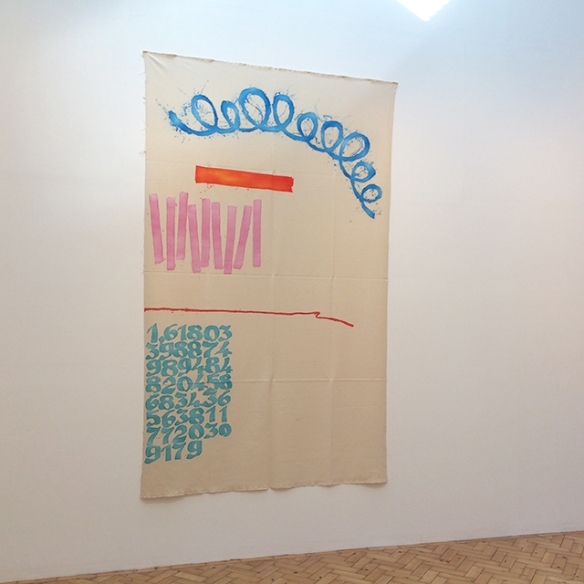
Due North through St. James’, Green and Hyde Parks followed by a stretch of the Regent’s Canal then Primrose Hill, lies Camden Arts Centre located on the outskirts of Hampstead. Giorgio Griffa, an Italian practitioner of Art Povera, has spent a lifetime exploring the subtle variations of brush marks on different unprimed fabrics using just a limited set of symbols comprising numbers, loops and lines. A particular artwork catches a shaft of light, that has entered through a gallery skylight, and its simple lines seem to dissolve into the glowing surface of the surrounding unpainted canvas.

Running back down the hill towards Camden, brings the Zabludowicz Foundation into sight. Based at what looks like a former consecrated building of some kind, the visitor enters through a grand Georgian facade with doric columns, arriving at an entrance lobby with a small cafe counter to one side and two doors giving access to each of the two shows currently on view. Siobhan Coen has been invited to participate as part of a scheme to showcase artists not currently represented by galleries. Her interest is perception and the multitude of stimuli that do not make it into our conscious thoughts. Whether the perceptions segue into the unconscious is a moot point since we cannot judge their passage for ourselves, but it is a concern that provides the artist with ample possibilities to develop her practice. The words of Donald Rumsfeld, who is recorded reading one of his own books, resonate through the building. As former security chief, the implication of him broadcasting his own thoughts on perception, is that this is a matter of political importance not just personal.

Finally a small group of galleries in Fitzrovia offers the last few shows of the day. The Telecom Tower provides a ready-made landmark that makes for an easy approach across Regent’s Park. At Alison Jacques gallery, Roy Oxlade has an exhibition of paintings that have a fantastic faux-naive style. As a biographical point we are told that he was married to Rose Wiley and soon spot the outlines of her handsome nose as muse on some of the images. Indeed with both artists producing works with this certain childlike quality to them, since Rose’s work is similar in respect to her use of figurative outlines and simplified backgrounds, one then wonders if there is any other possible connection. Perhaps their apparently simple, yet complex, paintings evolved from a canon of intellectual concerns that Roy and Rose would develop and share over a lifetime together.

1021
Rachel Howard at Newport Street Gallery with carefully applied gloss and bright acrylic base colours loosely following the sequence of 14 images in Christian depictions of Christ’s last days.

1022
John Copeland in Newport Street Gallery with figurative paintings.

1023
Giorgio Griffa at Camden Arts Centre with unprimed canvas and delicately chosen and applied brush marks.

1024
Siobhan Coen at the Zabludowicz Collection with an artwork that explores perceptions, namely how we edit nearly all the information from our senses before we become conscious of the remainder. Political commentators play as a soundtrack and the artist claims our editing processes can be exploited by political propaganda.

1025
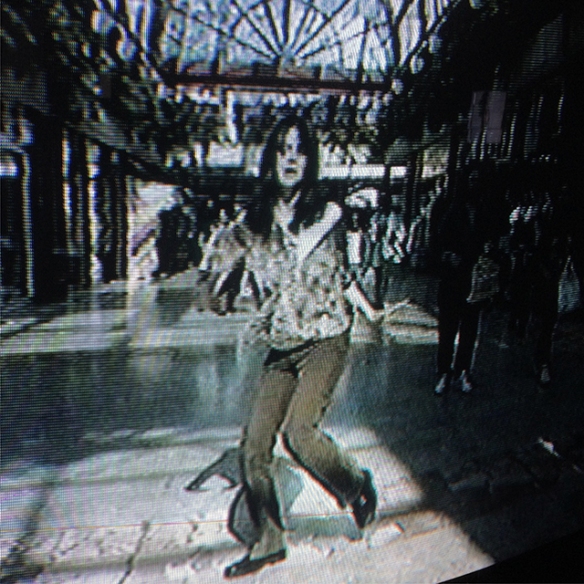
Grainy video of Gillian Wearing dancing in Peckham shopping centre over 20 years ago. Shown in the Zabludowicz Collection.

1026
Roy Oxlade at Alison Jacques Gallery with paintings that focus on symbolism rather than pretty painted surfaces, (though they are very pretty anyway).

1027
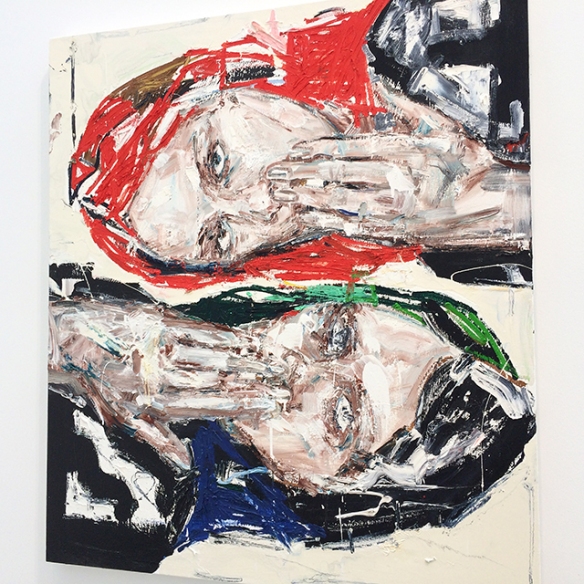
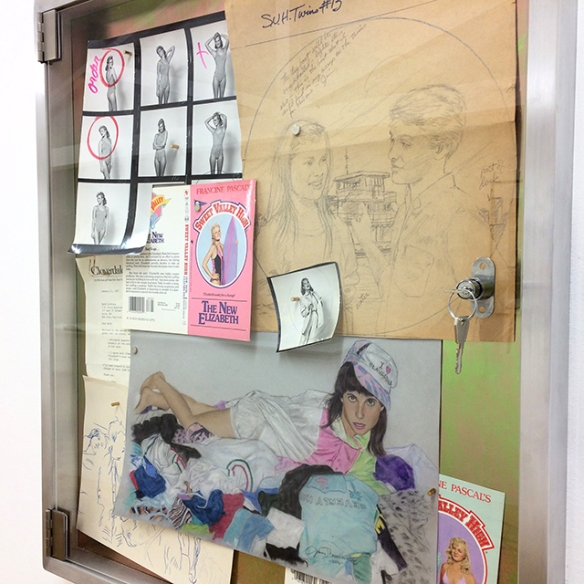
Victoria Colmegna at Southard Reid with a picture cabinet suggestive of highschool memories.

1028
Vivienne Griffin at Southard Reid encasing an aptly named object in resin.

1029
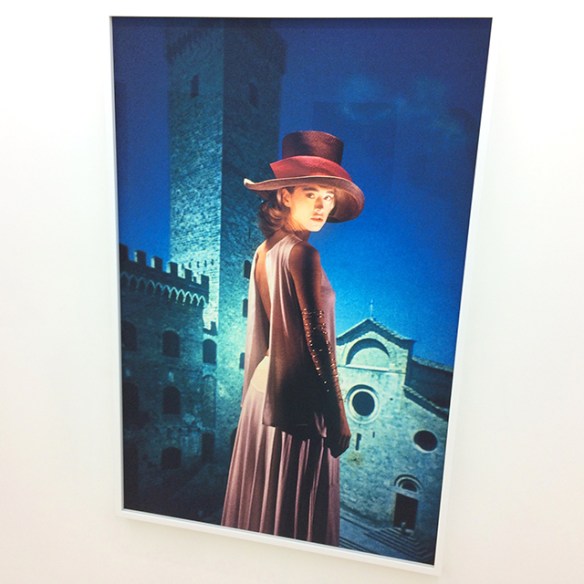
Laurie Simmons of Amanda Wilkinson Gallery created mocked-up fashion shoots using herself and clothes sourced from second hand shops.

Gallery run 15th February

Gallery runs by artist, jogger and London explorer Julian.

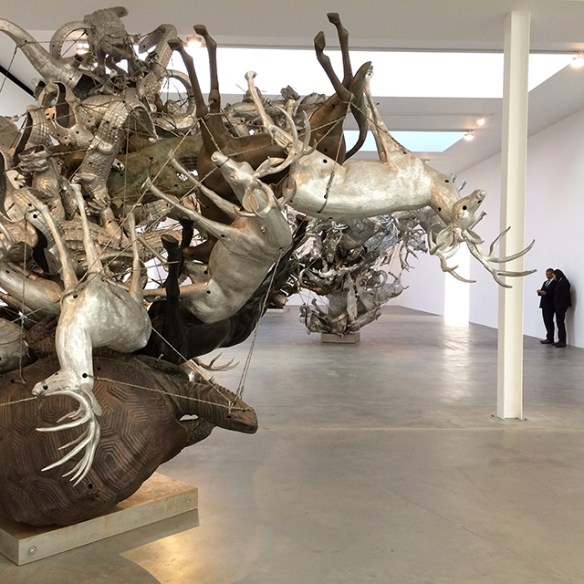
Gagosian Gallery, which is on Brittania Street near Kings Cross, has been between exhibitions for several weeks and the two present shows by Nancy Rubins and Vera Lutter are therefore much awaited. They don’t disappoint! The scale of work by both artists is stunning. For Nancy Rubins the scale requires engineering solutions to hold her sculptures together. Assembled metal objects originating from scrap yards and fairgrounds are secured to a network of cross linking metal cables. These cables allow the sculptures to project way beyond the relatively small plinths that they sit upon. Furthermore, the placement of these cables forms an elaborate system of cantilevers which incorporate the various objects on display into their design. The art objects then, rather like Calder’s mobiles, serve both as surface for contemplation as well as physical mass within this larger system.

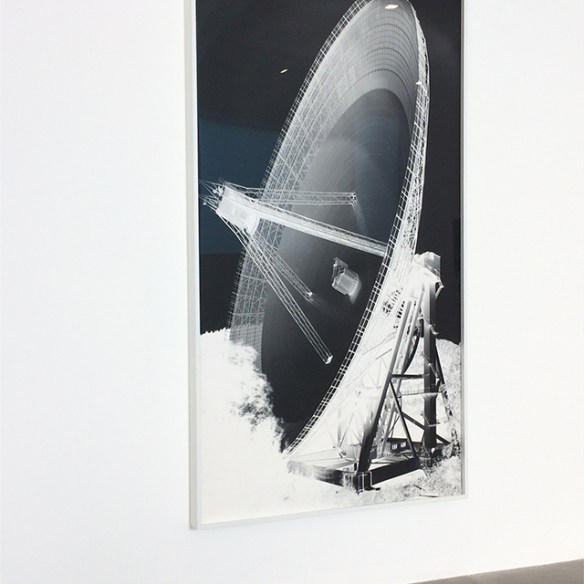
In contrast Vera Lutter’s works, whilst being physically large, draw their true impact from the scale of the machinery that underpins them. Her works are giant negatives which are about 3.5 metres high, roughly 100 times the height of old fashioned film negatives. It is of no surprise, therefore, that the object she has used for a camera carries a similar multiplication of scale. It’s a shipping container no less. The various expanses of photographic negative before us in the gallery are a sort of physical trace of the walls of this container that they would have been stuck against during their exposure and on this account they bring with them a sense of the magnitude of the container itself, its steel plate and enormous mass. If this double reading were not enough, though, the artist has then presented yet another level of engagement with the images. For they are of the world’s largest radio telescope and this creates a powerful metaphor of observation through use of only the faintest of signals. The faint traces of energy from outer space would be equivalent in some way to the almost imperceptible light reaching the pieces of film inside the container.

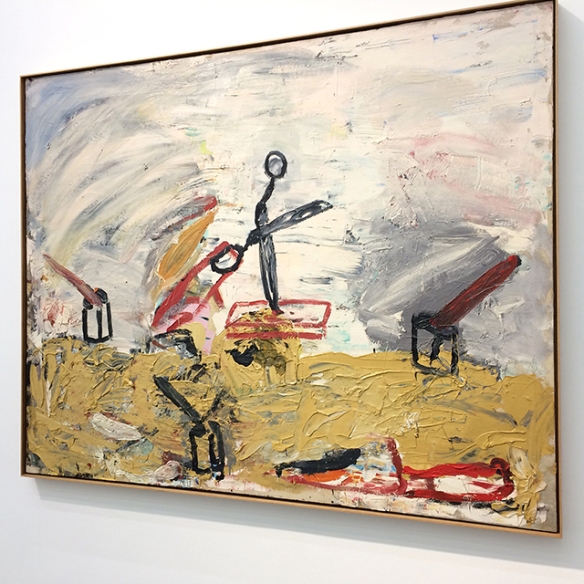
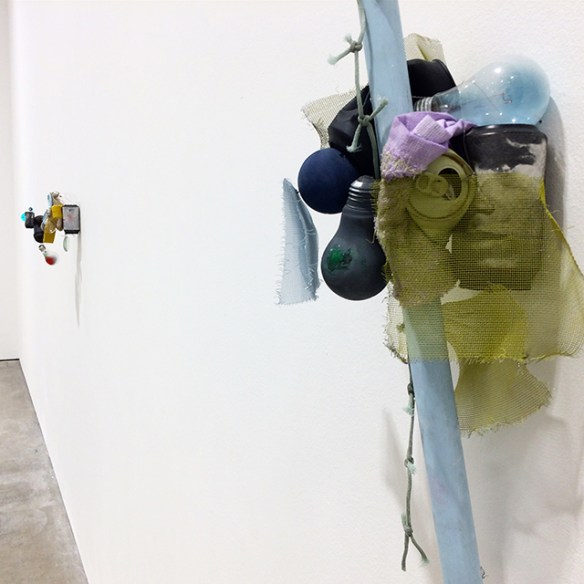
The next section of the run is over the hill at Angel. This means leaving the canal behind as it disappears into a very long tunnel and hot-footing it across to the other side. Back by the water, another lock serves to drop its level, before a spur of water branches out sideways past Victoria Miro gallery. A great show by David Altmejd at Stuart Shave Modern Art, a gallery slightly further on, is followed by a return to the canal and a visit to Stuart Shave’s second gallery space in Hackney. Paul Lee has produced several combinations of canvas and tambourines, the latter being a familiar trope for the artist, and they have an interesting sensuous quality due to a sort of exchange of physical properties from their close proximity. The tightly stretched skins of both objects, both sitting about 2 inches away from the wall, unite to produce a sort of extended space across their combined surfaces.

In contrast to these, the artist has produced four wall-mounted objects that appear, at first sight, to be no more than a cluster of recyclables, fabrics and bits of wire. However, they have a great sense of freedom to their forms, something that would require either chance processes for their assembly or else the application of sound artistic principles to block any unwanted rational processes of repetition, use of pre-established pattern or over reliance on an external narrative. None of these deficiencies here and what’s more for good measure, the central core of each object, which may well have been fashioned from a fizzy drink can, offers the one-off surprise to a viewer taking a closer look, that they are actually portraits of a male face rendered in black screen print style ink. Though small, this figurative element offers a strong contrast to their constructivist style.

1011
Antonio Calderara at Lisson Gallery.

1012
On the Regent’s Canal. A new layer of image just added with the yellow sign.
1013
Nancy Rubins of Gagosian Gallery.

1014
Vera Lutter of Gagosian Gallery with images of one of the world’s largest radio telescopes made using a giant pinhole camera constructed from a shipping container.

1015
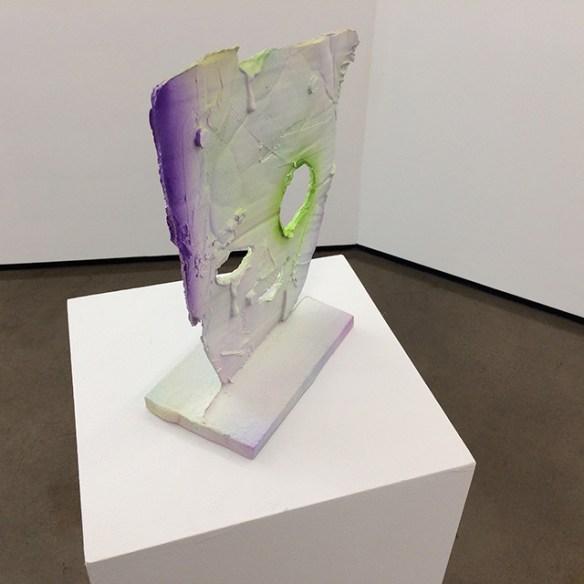
David Altmejd of Stuart Shave, Modern Art with plaster reliefs inspired by the complex biological evolutions of organisms.
1016
Paul Lee of Stuart Shave, Modern Art.

1017
Eddie Peake of White Cube with an immersive installation.

1018
He Xiangyu of White Cube with small clusters of wire and pieces of metal that had benn smuggled out of North Korea to China for a pitifully small cash price.
1019
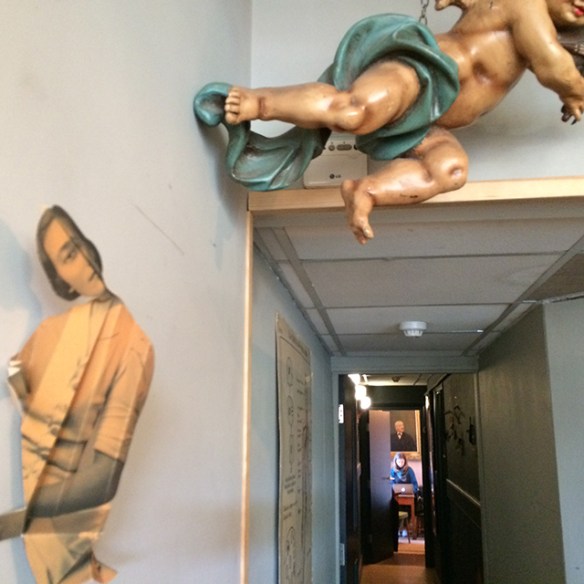
Andrea G Artz has produced novel photographic origami pieces at Crol And Co.